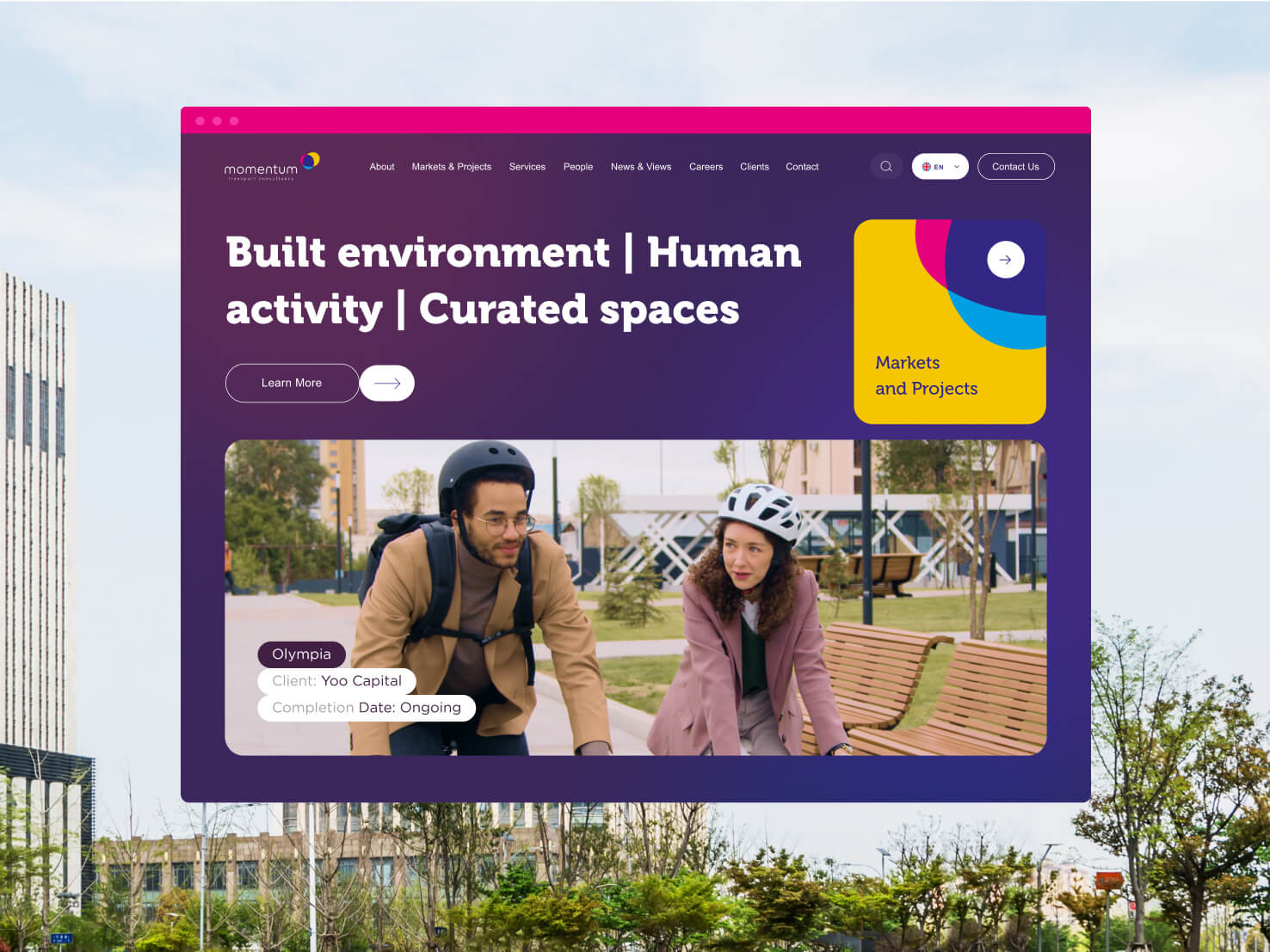
What Is Bespoke Website Design and Why Your Business Needs It
In today’s competitive digital landscape, generic website templates and cookie-cutter designs simply don’t cut it anymore. Businesses seeking to differentiate themselves and drive meaningful results are increasingly turning to bespoke website design—a custom approach that creates unique, tailored digital experiences aligned with specific brand goals and user needs.
Bespoke website design refers to the creation of completely custom websites built from the ground up, specifically tailored to a company’s unique requirements, brand identity, and business objectives. Unlike template-based solutions, bespoke designs are crafted with your exact specifications in mind, ensuring every element serves a strategic purpose in driving conversions and enhancing user experience.
For Chief Marketing Officers, UX Directors, startup founders, and digital transformation leaders, the decision to invest in bespoke website design represents more than just a visual upgrade—it’s a strategic business decision that can significantly impact brand differentiation, conversion rates, and long-term growth potential.
The Strategic Advantages of Bespoke Website Design
Complete Brand Alignment and Differentiation
One of the most compelling reasons businesses choose bespoke website design is the ability to create a truly unique digital presence that perfectly reflects their brand identity. Unlike template-based solutions that may be used by hundreds or thousands of other companies, a bespoke design ensures your website stands out in a crowded marketplace.
This level of customization is particularly crucial for B2B SaaS companies and tech startups where product differentiation can be challenging. A well-executed bespoke website design communicates your unique value proposition through every visual element, interaction, and user journey, helping potential customers immediately understand what sets your company apart from competitors.
Optimized User Experience and Conversion Paths
Generic templates are designed to work for everyone, which often means they’re optimized for no one in particular. Bespoke website design allows for the creation of user experiences specifically tailored to your target audience’s needs, preferences, and behaviors.
This customized approach enables the implementation of data-driven design decisions based on user research, analytics insights, and conversion optimization best practices. Every element—from navigation structure to call-to-action placement—can be strategically designed to guide users toward desired actions and maximize conversion rates.
Scalability and Future-Proofing
As businesses grow and evolve, their website needs change accordingly. Bespoke website design provides the flexibility to accommodate future requirements without being constrained by template limitations. Whether you need to integrate new technologies, add complex functionality, or scale to handle increased traffic, a custom-built website can adapt to your changing needs.
This scalability is particularly important for rapidly growing companies that may need to frequently update their digital presence to reflect new products, services, or market positioning.
When Bespoke Website Design Makes Strategic Sense
Complex Product Offerings Requiring Clear Communication
Companies with sophisticated products or services often struggle to communicate their value proposition effectively through template-based designs. Bespoke website design allows for the creation of custom interfaces, interactive demonstrations, and tailored content structures that can simplify complex offerings and make them more accessible to potential customers.
This is especially valuable for B2B software companies, financial services firms, and technology providers where product complexity can be a barrier to customer understanding and adoption.
High-Growth Companies Needing Rapid Iteration
Fast-growing businesses often need to quickly test different messaging, layouts, and conversion strategies. Bespoke website design, when properly implemented, provides the flexibility to rapidly iterate and optimize based on real user data and business performance metrics.
The ability to quickly implement changes and run A/B tests on custom elements can be crucial for companies focused on aggressive growth targets and conversion rate optimization.
Enterprise Requirements for Integration and Compliance
Large organizations often have specific integration requirements, security standards, and compliance needs that generic templates simply cannot accommodate. Bespoke website design allows for seamless integration with existing systems, implementation of enterprise-grade security measures, and adherence to industry-specific regulatory requirements.
Key Components of Effective Bespoke Website Design
Strategic Discovery and Research Phase
The foundation of successful bespoke website design lies in thorough research and strategic planning. This phase should include comprehensive user research, competitive analysis, technical requirements assessment, and clear definition of success metrics.
Understanding your target audience’s needs, pain points, and behaviors is crucial for creating a design that resonates and converts. This research-driven approach ensures that every design decision is based on data rather than assumptions.
Custom Visual Identity and Brand Expression
Bespoke website design provides the opportunity to create a unique visual language that perfectly expresses your brand personality and values. This includes custom typography, color schemes, imagery styles, and interactive elements that work together to create a cohesive and memorable brand experience.
The visual design should not only look impressive but also support your business objectives by guiding user attention, building trust, and encouraging desired actions.
Performance Optimization and Technical Excellence
A truly effective bespoke website design must perform flawlessly across all devices and loading conditions. This requires careful attention to technical implementation, including optimized code, responsive design, fast loading times, and seamless functionality across different browsers and devices.
Performance optimization is particularly crucial for e-commerce websites and lead generation platforms where slow loading times can directly impact conversion rates and revenue.
The Bespoke Website Design Process: What to Expect
Phase 1: Strategic Planning and Research
The bespoke website design process typically begins with extensive discovery work to understand your business goals, target audience, competitive landscape, and technical requirements. This phase may include stakeholder interviews, user research, analytics analysis, and technical audits of existing systems.
This foundational work ensures that the resulting design will be strategically aligned with your business objectives and user needs rather than being purely aesthetic.
Phase 2: Design Concept Development
Based on the research insights, designers create initial concepts that explore different approaches to solving your specific challenges. This phase typically involves wireframing, user journey mapping, and visual design exploration to identify the most effective approach.
The iterative nature of this phase allows for refinement and optimization based on stakeholder feedback and user testing results.
Phase 3: Development and Implementation
Once the design direction is finalized, development begins with careful attention to technical implementation, performance optimization, and quality assurance. This phase should include rigorous testing across devices, browsers, and usage scenarios to ensure flawless functionality.
Integration with existing systems, implementation of analytics tracking, and setup of content management capabilities are also crucial components of this phase.
Phase 4: Launch and Optimization
The launch of a bespoke website design is just the beginning of an ongoing optimization process. Post-launch monitoring, user feedback collection, and performance analysis provide valuable insights for continuous improvement.
This iterative approach ensures that your website continues to perform optimally and adapt to changing user needs and business requirements.
Measuring the Success of Bespoke Website Design
Conversion Rate Improvements
The most direct measure of bespoke website design success is improvement in conversion rates. This includes not only primary conversions like sales or lead generation but also micro-conversions that indicate user engagement and progress through the customer journey.
Tracking these metrics before and after implementation provides clear evidence of the design’s impact on business performance.
User Experience Metrics
Beyond conversions, successful bespoke website design should improve overall user experience metrics such as time on site, pages per session, bounce rate, and user satisfaction scores. These metrics provide insights into how well the design meets user needs and expectations.
Regular user testing and feedback collection can provide qualitative insights that complement quantitative analytics data.
Brand Perception and Market Differentiation
The impact of bespoke website design on brand perception and market positioning may be more difficult to measure but is equally important. Surveys, brand awareness studies, and competitive analysis can help assess how the new design affects your company’s position in the market.
Common Challenges and How to Overcome Them
Managing Project Complexity and Timeline
Bespoke website design projects can become complex quickly, especially when dealing with multiple stakeholders, extensive functionality requirements, and integration needs. Clear project management, regular communication, and well-defined milestones are essential for keeping projects on track.
Working with experienced partners who understand the intricacies of custom development can help navigate these challenges more effectively.
Balancing Creativity with Performance
While bespoke website design allows for creative freedom, it’s important to ensure that creative elements don’t compromise website performance or user experience. Every design decision should be evaluated based on its impact on loading times, usability, and conversion potential.
The best bespoke designs achieve a balance between visual impact and functional performance.
Ensuring Long-term Maintainability
Custom websites require ongoing maintenance and updates to remain secure, performant, and aligned with changing business needs. Planning for long-term maintainability during the design and development process can prevent future challenges and costs.
This includes choosing appropriate technologies, implementing proper documentation, and establishing clear processes for ongoing updates and improvements.
The ROI of Bespoke Website Design Investment
Direct Revenue Impact
For many businesses, the investment in bespoke website design pays for itself through improved conversion rates and increased revenue. E-commerce companies, in particular, often see significant returns from custom designs that optimize the purchasing process and reduce cart abandonment.
Even small improvements in conversion rates can result in substantial revenue increases when applied to high-traffic websites.
Operational Efficiency Gains
Bespoke website design can also deliver ROI through improved operational efficiency. Custom content management systems, automated workflows, and integrated functionality can reduce the time and resources required for ongoing website management.
These efficiency gains compound over time, providing ongoing value beyond the initial investment.
Competitive Advantage and Market Position
The strategic value of a well-executed bespoke website design extends beyond immediate revenue impact. A unique, high-performing website can strengthen your competitive position, support premium pricing, and enhance overall brand value.
This long-term strategic value may be the most significant return on investment, particularly for companies in competitive markets.
Choosing the Right Partner for Bespoke Website Design
Technical Expertise and Strategic Thinking
Successful bespoke website design requires both technical expertise and strategic business thinking. Look for partners who can demonstrate not just design and development capabilities but also understanding of your industry, target audience, and business objectives.
The ability to translate business requirements into effective design solutions is crucial for achieving meaningful results.
Proven Track Record and Relevant Experience
When evaluating potential partners for bespoke website design, examine their portfolio for projects similar to yours in terms of complexity, industry, and objectives. Case studies that demonstrate measurable results are particularly valuable indicators of capability.
References from past clients can provide insights into the partner’s working style, communication effectiveness, and ability to deliver on promises.
Ongoing Support and Optimization Capabilities
Bespoke website design is not a one-time project but an ongoing process of optimization and improvement. Choose partners who can provide long-term support, including performance monitoring, user research, A/B testing, and iterative improvements.
This ongoing partnership approach ensures that your website continues to evolve and improve over time, maximizing your return on investment.
The Future of Bespoke Website Design
As digital experiences become increasingly important for business success, bespoke website design continues to evolve with new technologies and user expectations. Artificial intelligence, personalization engines, and advanced analytics are creating new opportunities for custom websites to deliver even more targeted and effective user experiences.
Companies that invest in bespoke website design today are positioning themselves to take advantage of these emerging technologies and maintain their competitive edge in an increasingly digital marketplace.
For businesses serious about digital growth and market differentiation, bespoke website design represents a strategic investment in their future success. When executed properly, it delivers not just a beautiful website but a powerful business tool that drives measurable results and supports long-term growth objectives.
The key to success lies in choosing the right approach and partner—one that combines creative excellence with strategic thinking, technical expertise, and ongoing optimization capabilities. With the right foundation in place, bespoke website design can transform your digital presence and unlock new opportunities for business growth.