Finding the right graphic design agency can transform your business—or become a costly mistake. With over 87,000 design agencies operating globally and countless freelancers competing for attention, the decision has never been more complex. For CMOs, marketing directors, and startup founders, choosing the wrong partner means wasted budgets, missed deadlines, and brand inconsistency that can take years to recover from.
Partnering with the right agency helps businesses achieve their specific goals more effectively, ensuring that every design decision supports your objectives.
A big part of a successful agency partnership is the agency’s ability to shape user experience and convey the brand’s message through content, including copywriting, visuals, and multimedia elements, while elevating your brand’s visual identity to stand out in the market.
The stakes are high: research consistently shows that companies investing in professional design outperform their competitors in revenue growth and customer satisfaction. However, many businesses struggle to find the right agency partner on their first attempt, often due to misaligned expectations, poor communication, or inadequate expertise.
This comprehensive guide cuts through the noise with seven battle-tested strategies for identifying, evaluating, and selecting a graphic design agency that delivers exceptional results. Whether you’re a VC-backed startup seeking rapid brand development or an enterprise team managing complex digital transformation, these insights will help you make an informed decision that drives measurable business impact.
Introduction to Design Agencies: The Modern Landscape
Today’s design agencies are far more than traditional creative studios. They’ve evolved into strategic partners that deliver comprehensive solutions spanning brand identity, digital presence, user experience optimization, and increasingly, AI-powered automation. The best graphic design agencies now operate at the intersection of creativity, technology, and business strategy. Leading agencies also focus on future trends and innovation in design and technology, ensuring their clients are prepared for what lies ahead.
Modern design agencies specialize in helping businesses build powerful digital presences through integrated services including web design, digital transformation, and strategic branding. By crafting unique brand identities and compelling visual systems, these agencies enable organizations to differentiate themselves in saturated markets by delivering innovative solutions that help clients stand out. Top agencies integrate seamlessly into a client’s organization, aligning with internal teams and organizational goals to ensure effective collaboration and adaptability. They ensure that digital products and visual assets are optimized for print, web, mobile, and search engines, and design and develop sites that embody brand personality and support long-term business goals.
The 2025 Agency Landscape:
| Agency Type | Typical Pricing | Best For | Limitations |
|---|---|---|---|
| Traditional Full-Service | $150-300/hour | Large campaigns, established brands | High costs, slow turnaround |
| Boutique Specialists | $100-200/hour | Specific design needs, niche industries | Limited scope, availability issues |
| Subscription-Based | $5,000-12,500/month | Ongoing needs, scalable teams | Requires consistent workload |
| Freelance Networks | $50-150/hour | Small projects, tight budgets | Quality inconsistency, limited capacity |
Understanding this landscape is crucial for making strategic decisions aligned with your business objectives, budget constraints, and timeline requirements.
Understanding Design Agency Services: Beyond Basic Graphics
Before beginning your search for a graphic design agency, it’s essential to understand the full spectrum of services modern agencies provide. This knowledge empowers you to identify partners whose capabilities match your comprehensive needs—not just immediate requirements. Taking the time to assess your project needs ensures the agency’s services align with your objectives and leads to more successful outcomes.
Core Graphic Design Services:
- Logo and brand identity design
- Marketing collateral (business cards, letterheads, presentations)
- Photography and image sourcing
- Website and app UI/UX design
- Social media graphics and content
- Packaging and product design
Core Graphic Design Services
Brand Identity & Visual Systems:
- Logo design and brand mark development
- Color palette and typography systems
- Brand guidelines and style documentation
- Marketing collateral (business cards, letterheads, presentations)
- Packaging and product design
Digital Design:
- Website design and UI/UX
- Mobile app interfaces
- Email templates and marketing materials
- Social media graphics and templates
- Digital advertising creative
Motion & Video:
- Motion graphics and animation
- Video production and editing
- 3D visualization and AR/WebXR experiences
- Explainer videos and product demos
Extended Capabilities to Consider
Top-tier graphic design agencies often provide integrated services that extend beyond pure visual design:
Development & Implementation:
- WordPress, Shopify, and Webflow development
- Custom CMS solutions
- E-commerce platform development
- Development and launch of new products and digital solutions
- Responsive web development
- Redesign projects, such as overhauling websites or digital products to enhance user experience and functionality
Optimization & Strategy:
- UX research (qualitative and quantitative)
- Conversion rate optimization (CRO)
- A/B and multivariate testing
- Analytics implementation and reporting
- User journey mapping
Emerging Technologies:
- AI agent implementation
- Chatbot development
- Personalization engines
- Marketing automation
- Custom LLM integration
Understanding this comprehensive service landscape helps you select a graphic design agency that can grow with your business, eliminating the need to manage multiple vendors for interconnected projects.
1. Define Your Project with Precision
The most common mistake companies make when searching for a graphic design agency is starting the search before clearly defining their needs. It’s essential to articulate your ideas and strategic concepts so the agency can help bring them to life. When defining your project, be sure to consider your budgetary constraints to ensure realistic expectations and better alignment with potential agencies. This approach leads to mismatched partnerships, scope creep, and disappointing results.
Document Your Requirements
Create a comprehensive project brief that includes:
Scope Definition:
- Specific deliverables (logo, website, marketing materials, etc.)
- Quantity and variations needed
- File formats and technical specifications
- Platform requirements (web, print, mobile, etc.)
Strategic Context:
- Business objectives (brand awareness, lead generation, sales conversion)
- Target audience demographics and psychographics
- Competitive landscape and differentiation goals
- Brand positioning and messaging framework
Operational Parameters:
- Budget range (realistic and flexible)
- Timeline and critical milestones
- Internal stakeholders and approval processes
- Existing brand assets and guidelines
Success Metrics:
- Quantitative KPIs (conversion rates, engagement metrics, sales impact)
- Qualitative goals (brand perception, market positioning)
- Measurement methodology and reporting cadence
Gather Inspiration and References
Collect 10-15 examples of designs that resonate with your vision, and consider exploring the advantages of a graphic design agency to see how professionals can elevate your brand.
- Competitor designs you admire (and why)
- Non-competitor brands with relevant aesthetics
- Specific design elements (color schemes, typography, layouts)
- Designs to avoid (with clear reasoning)
This reference library serves two critical purposes: it helps you articulate your vision to potential agencies and allows them to assess whether your aesthetic preferences align with their expertise and portfolio.
Determine Your Engagement Model
Consider whether you need:
Project-Based Work:
- One-time deliverables with defined scope
- Fixed timeline and budget
- Clear beginning and end
- Best for: Rebrands, website launches, campaign creative
A designer may work on multiple projects for one client in a single day, demonstrating versatility and expertise.
Ongoing Partnership:
- Continuous design support
- Flexible scope and priorities
- Monthly or annual commitment
- Best for: Growing startups, active marketing teams, iterative product development
Subscription-Based Services:
- Unlimited requests within service tier
- Predictable monthly costs
- Dedicated senior resources
- Rapid turnaround (1-3 days typical)
- Best for: Teams with consistent design needs, multiple simultaneous projects
Understanding your engagement model preference helps you target the right type of graphic design agency from the start.
2. Execute Strategic Agency Research
With your requirements documented, you’re ready to build a qualified list of potential partners. Strategic research goes far beyond a simple Google search.
Multi-Channel Discovery Approach
1. Targeted Search Strategies:
Instead of generic searches that return millions of results dominated by large agencies with big advertising budgets, use these refined approaches:
- Geographic + Service: “graphic design agency [your city]” or “B2B design agency London”
- Industry-Specific: “SaaS graphic design agency” or “e-commerce design specialists”
- Service Model: “design subscription agency” or “unlimited graphic design services”
- Technology Platform: “Shopify design agency” or “WordPress design specialists”
Pro tip: Don’t limit yourself to page one results. Agencies on pages 2-3 often provide better value and more personalized service than those spending heavily on advertising.
2. Portfolio Platform Research:
- Dribbble: Browse by style, industry, or specific design elements
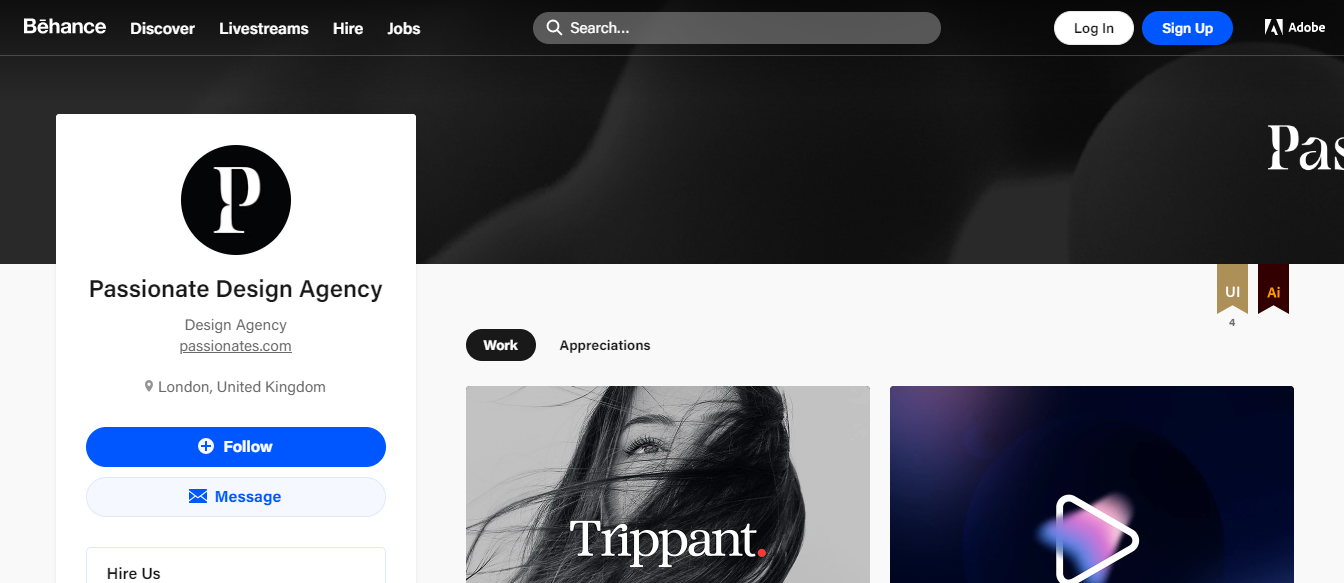
- Behance: Filter by project type and creative fields
- Awwwards: For agencies with exceptional web design capabilities
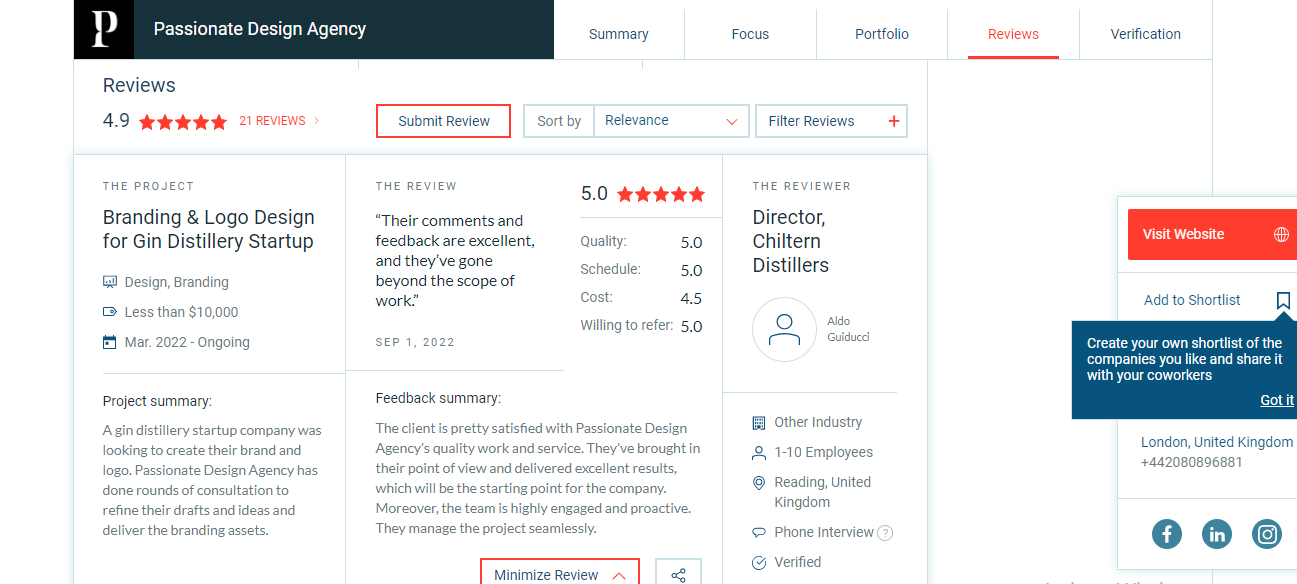
- Clutch: For verified reviews and detailed agency profiles
When you find designs you admire, investigate the creators and explore their full portfolios.
3. Peer Recommendations:
Personal referrals remain the most reliable discovery method:
- Ask colleagues in similar roles at non-competing companies
- Participate in industry Slack communities and LinkedIn groups
- Attend marketing and design conferences
- Consult with business advisors or investors
4. Reverse Engineering:
Identify 10 companies with exceptional design in your industry:
- Check their website footer for agency credits
- Search “[company name] rebrand agency” or “[company name] website design”
- Contact their marketing team directly (most are happy to share)
- Review their case studies and press releases
Build Your Initial List
Compile 15-20 agencies that meet your basic criteria:
- Service offerings align with your needs
- Portfolio demonstrates relevant experience
- Geographic location or time zone compatibility (if required)
- Apparent budget range matches your constraints
- Positive online presence and recent activity
3. Conduct Comprehensive Agency Due Diligence
With your initial list compiled, it’s time for deep research. This phase separates agencies that look good from those that deliver results.
Portfolio Analysis Framework
Evaluate each graphic design agency’s portfolio using these criteria:
Relevance (30% weight):
- Industry experience (do they understand your market?)
- Project similarity (have they solved comparable challenges?)
- History of having developed innovative products, platforms, or rebranding initiatives.
- Client size and maturity (startup vs. enterprise experience)
- Design complexity matching your needs
Quality (30% weight):
- Visual consistency and attention to detail
- Strategic thinking evident in work
- Innovation and creativity
- Technical execution and polish
Results (25% weight):
- Case studies with measurable outcomes
- Client testimonials highlighting business impact
- Before/after comparisons
- Problem-solving approach documentation
Recency (15% weight):
- Portfolio updated within last 6 months
- Current design trends and technologies
- Active project pipeline indicators
Verification and Validation
Review Authentication:
Prioritize verified review platforms:
- Clutch.co: Rigorous verification process with LinkedIn integration
- Google Business: Recent reviews with detailed feedback
- G2: Software and service provider reviews
- Trustpilot: Independent review platform
Red flags in reviews:
- Generic praise without specifics (“Great agency, very professional”)
- All 5-star reviews with no constructive feedback
- Lack of recent reviews (nothing in past 6 months)
- Defensive or unprofessional responses to criticism
Direct Client Outreach:
For your top 5-7 agencies, contact 2-3 past clients:
- Request introductions through the agency
- Find clients via portfolio case studies
- Prepare specific questions about communication, process, and results
- Ask about challenges and how they were resolved
Key questions for references:
- “How did the agency handle unexpected challenges or changes?”
- “What was the quality of communication throughout the project?”
- “Did the final deliverables meet or exceed expectations?”
- “Would you hire them again? Why or why not?”
- “What advice would you give someone working with this agency?”
Digital Presence Assessment
A graphic design agency‘s own digital presence reveals much about their capabilities:
Website Evaluation:
- Design quality and user experience
- Demonstrates the power of their solutions through impactful case studies and scalable design implementations.
- Clear service descriptions and process documentation
- Updated blog or resources section
- Case studies with depth and detail
- Fast loading times and mobile optimization
Content Quality:
- Thought leadership articles demonstrating expertise
- Educational resources (guides, templates, tools)
- Industry insights and trend analysis
- Regular publishing cadence
Social Media Activity:
- Consistent posting schedule
- Engagement with followers and community
- Behind-the-scenes content showing team and culture
- Client work showcases and celebrations
Team Transparency:
- Designer profiles and portfolios
- Years of experience and specializations
- Leadership team visibility
- Company culture and values
4. Narrow Your List with Objective Criteria
With comprehensive research complete, apply systematic filtering to identify your top candidates.
Scoring Framework
Create a weighted scoring system (100 points total):
| Criteria | Weight | Scoring Method |
|---|---|---|
| Portfolio Relevance | 20 pts | 0-20 based on industry experience and project similarity |
| Design Quality | 20 pts | 0-20 based on visual execution and creativity |
| Client Reviews | 15 pts | 0-15 based on verified reviews and testimonials |
| Communication | 10 pts | 0-10 based on website clarity and responsiveness |
| Pricing Alignment | 15 pts | 0-15 based on budget compatibility |
| Service Scope | 10 pts | 0-10 based on comprehensive capabilities |
| Cultural Fit | 10 pts | 0-10 based on values and working style |
Elimination Criteria
Remove agencies that exhibit these red flags:
Communication Issues:
- Slow or no response to initial inquiries (>5 business days)
- Unclear or evasive answers to direct questions
- Poor grammar or unprofessional communication
- Lack of dedicated point of contact
Portfolio Concerns:
- Outdated work (nothing recent within 12 months)
- Inconsistent quality across projects
- No relevant industry experience
- Limited case study documentation
Business Red Flags:
- Unclear pricing structures or hidden fees
- Negative patterns in client reviews
- High staff turnover (check LinkedIn)
- Lack of transparency about process or team
Misalignment:
- Budget significantly above or below your range
- Unable to meet timeline requirements
- Geographic or time zone incompatibility (if relevant)
- Missing critical service capabilities
Create Your Shortlist
Narrow to 3-5 agencies for detailed discussions. This focused approach allows you to invest time in meaningful conversations without overwhelming your decision-making process.
5. Conduct Strategic Agency Consultations
Direct communication reveals what portfolios and reviews cannot: cultural fit, communication style, and strategic thinking capability.
Preparation for Consultations
Before scheduling calls:
- Send your project brief to each agency
- Request preliminary thoughts or questions
- Ask for relevant case studies
- Inquire about team composition for your project
Prepare your questions:
Strategic Approach:
- “How would you approach our specific challenge?”
- “What research or discovery process do you recommend?”
- “How do you balance our vision with your expertise?”
- “What success metrics would you propose?”
Process and Communication:
- “What does your typical project timeline look like?”
- “How frequently will we communicate, and through what channels?”
- “Who will be our primary point of contact?”
- “How do you handle revisions and feedback?”
Team and Expertise:
- “Who specifically would work on our project?”
- “What is their experience level and specialization?”
- “Can we meet or speak with the lead designer?”
- “How do you ensure quality control?”
Pricing and Terms:
- “Can you provide a detailed cost breakdown?”
- “What’s included vs. what incurs additional fees?”
- “What are your payment terms and schedule?”
- “What happens if we need to pause or cancel?”
Technology and Tools:
To successfully leverage technology and tools in your design process, it’s crucial to begin with a solid foundation.
- “What platforms and technologies do you use?”
- “How do you integrate with our existing systems?”
- “What file formats and assets will we receive?”
- “Do you provide training on implemented solutions?”
Evaluation During Consultations
Pay attention to these indicators:
Positive Signs:
- Asks thoughtful questions about your business and goals
- Offers initial strategic insights or suggestions
- Discusses potential challenges honestly
- Demonstrates enthusiasm for your project
- Provides clear, detailed answers
- Respects your time and comes prepared
Warning Signs:
- Focuses primarily on their capabilities vs. your needs
- Provides vague or generic responses
- Rushes through the conversation
- Dismisses your concerns or preferences
- Unable to articulate their process clearly
- Overpromises results or timelines
Request Trial Projects or Samples
For your top 2-3 candidates, consider:
Paid Trial Projects:
- Small, representative task (1-2 days of work)
- Compensate fairly for their time
- Evaluate quality, communication, and turnaround
- Assess how well they incorporate feedback
- For strategic roles, consider their understanding of competitive analysis
Creative Brief Response:
- Provide a detailed brief for a sample deliverable
- Request their strategic approach and initial concepts
- Evaluate their thinking process and creativity
- Compare responses across agencies
Important: Never request free spec work for your actual project. Ethical agencies will decline, and you’ll eliminate quality partners from consideration.
6. Make Systematic Comparisons
With consultations complete, organize your findings for objective comparison.
Comparison Framework
Create a detailed comparison matrix:
| Factor | Agency A | Agency B | Agency C | Weight | Score A | Score B | Score C |
|---|---|---|---|---|---|---|---|
| Portfolio Fit | Strong B2B SaaS experience leveraging top sources for graphic design inspiration to spark creativity in projects. | Diverse portfolio, limited SaaS | Excellent SaaS work | 20% | 18 | 12 | 20 |
| Design Quality | Excellent, modern aesthetic | Good, traditional style | Excellent, innovative | 20% | 19 | 15 | 20 |
| Communication – Effective subscription-based web design services can facilitate better communication between brands and their audiences. | Responsive, clear | Slow initial response | Very responsive | 15% | 14 | 10 | 15 |
| Pricing | $95k (mid-range) — See how you can optimize your product development process by mastering continuous product design. | $65k (budget-friendly) | $125k (premium) | 15% of businesses have improved their creative output by using services like passionate Design Agency, which offers affordable, unlimited design solutions. | 12 | 15 | 9 |
| Timeline | 10 weeks | 14 weeks | 8 weeks | 10% | 8 | 6 | 10 |
| Service Scope | Design + dev | Design only | Full-service | 10% | 8 | 6 | 10 |
| Cultural Fit | Strong alignment | Moderate fit | Strong alignment | 10% | 9 | 6 | 9 |
| Total Score | 100% | 88 | 70 | 93 |
Qualitative Assessment
Beyond numbers, consider:
Long-Term Partnership Potential:
- Can they scale with your business?
- Do they offer services you’ll need in 6-12 months?
- Is their team stable and growing?
- Do they demonstrate thought leadership in your industry?
Risk Factors:
- What could go wrong with each agency?
- How do they handle problems and conflicts?
- What contingency plans exist for delays or issues?
- Are there any dependencies or limitations?
Gut Check:
- Which team did you connect with most naturally?
- Who demonstrated the best understanding of your business?
- Which agency made you most confident in success?
- Where do you foresee the smoothest collaboration?
Financial Analysis
Look beyond headline pricing:
Total Cost of Ownership:
- Base project or subscription fee
- Additional costs (stock photos, fonts, tools, hosting)
- Revision and change request policies
- Post-launch support and maintenance
- Training and knowledge transfer
Value Assessment:
- Cost per deliverable or design hour
- Included services and scope
- Quality level and experience
- Speed of delivery
- Risk mitigation and guarantees
Budget Flexibility:
- Payment terms and schedule
- Ability to pause or adjust scope
- Scalability options
- Long-term pricing for ongoing work
7. Make Your Final Decision and Establish Partnership
You’ve done the research, conducted consultations, and made comparisons. Now it’s time to commit.
Decision-Making Process
For Teams:
- Present your top 2-3 candidates to stakeholders
- Share your comparison matrix and rationale
- Address concerns and questions
- Build consensus around selection criteria
- Make collective decision
For Solo Decision-Makers:
- Take 24-48 hours away from the data
- Return with fresh perspective
- Trust your combination of analysis and intuition
- Consider long-term implications
- Make confident decision
Contract Negotiation
Key Terms to Address:
Scope and Deliverables:
- Detailed list of all deliverables
- File formats and asset ownership
- Revision rounds included
- Definition of project completion
Timeline and Milestones:
- Specific dates for key deliverables
- Dependencies and prerequisites
- Review and approval timeframes
- Consequences of delays (both parties)
Pricing and Payment:
- Total cost breakdown
- Payment schedule tied to milestones
- Expense reimbursement policies
- Rate for additional work or changes
Intellectual Property:
- Full ownership transfer upon final payment
- Usage rights during development
- Third-party asset licensing
- Confidentiality and NDAs
Communication and Process:
- Primary contacts and escalation path
- Meeting cadence and format
- Feedback and approval process
- Project management tools and access
Termination and Changes:
- Cancellation terms and penalties
- Change request process
- Dispute resolution mechanism
- Post-project support terms
Onboarding for Success
First 30 Days:
Week 1 – Foundation:
- Kickoff meeting with full team
- Share comprehensive brand guidelines and assets
- Provide access to necessary systems and tools
- Establish communication channels and cadence
- Align on success metrics and reporting
Week 2 – Discovery:
- Collaborative strategy sessions
- Competitive analysis and market research
- User persona development
- Creative brief refinement
- Initial concept exploration
Week 3-4 – Momentum:
- First design presentations
- Structured feedback sessions
- Iteration and refinement
- Stakeholder reviews
- Process optimization
Long-Term Partnership Considerations
If you anticipate ongoing design needs, discuss:
Subscription or Retainer Models:
- Monthly allocation of hours or requests
- Dedicated team members
- Priority access and faster turnaround
- Predictable costs and budgeting
- Flexibility to scale up or down
Modern subscription-based agencies offer compelling advantages:
- Unlimited requests within service tier
- Rapid turnaround (1-3 business days typical)
- Senior-level talent (5+ years experience)
- No hidden fees or surprise costs
- Easy scaling by adding resources
- Comprehensive capabilities (design, development, optimization, AI)
Service Expansion:
- Additional capabilities you may need (UX research, CRO, development)
- Cross-functional project coordination
- Strategic consulting and advisory
- Training and knowledge transfer
Performance Optimization:
- Regular performance reviews
- Process refinement and efficiency gains
- Evolving success metrics
- Continuous improvement initiatives

Red Flags to Watch Out For
Avoid costly mistakes by recognizing these warning signs during your search for a graphic design agency:
Communication Red Flags
- Slow or inconsistent responsiveness (>3 business days for initial contact)
- Vague or evasive answers to direct questions
- Lack of proactive communication or updates
- Difficulty scheduling calls or meetings
- No dedicated point of contact or frequent team changes
- Poor listening skills or talking over your needs
Portfolio and Experience Red Flags
- Outdated portfolio (no work from past 12 months)
- Inconsistent quality across different projects
- No relevant industry experience or similar projects
- Lack of case studies with measurable results
- Unable to explain design decisions or strategy
- Copied or template-based work without customization
Business Practice Red Flags
- Unclear pricing or hidden fees
- Pressure tactics or artificial urgency
- No written contracts or vague agreements
- Requests for full payment upfront
- Unwillingness to provide references
- Negative review patterns or defensive responses
- High staff turnover or unstable team
Process Red Flags
- No structured discovery or research phase
- Skipping strategic planning to jump into design
- Unlimited revisions without clear process
- No quality control or review procedures
- Inflexible approach or unwillingness to adapt
- Poor project management or missed deadlines
Cultural Red Flags
- Dismissive of your input or expertise
- Arrogant or condescending communication style
- Misaligned values or ethical concerns
- Lack of transparency about capabilities or limitations
- Overpromising results or guarantees
- Incompatible working styles or expectations
Trust your instincts: If something feels off during your evaluation, it probably is. A successful agency partnership requires mutual respect, clear communication, and aligned expectations from day one.
Working with Your Graphic Design Agency: Best Practices
Once you’ve selected your partner, maximize the relationship with these proven strategies:
Establish Clear Communication Protocols
Regular Touchpoints:
- Weekly status calls or check-ins
- Async updates via project management tools
- Quarterly strategic reviews
- Ad-hoc communication for urgent items
Feedback Framework:
- Consolidated feedback from all stakeholders
- Specific, actionable comments (not “make it pop”)
- Visual references when possible
- Prioritized revision requests
- Reasonable turnaround for reviews (24-48 hours)
Provide Strategic Context
Help your graphic design agency deliver better results by sharing:
- Business goals and success metrics
- Competitive intelligence and market insights
- Customer feedback and user research
- Internal constraints and considerations
- Long-term vision and roadmap
Leverage Their Expertise
Trust the Process:
- Allow time for proper discovery and strategy
- Be open to recommendations that challenge assumptions
- Understand that great design takes iteration
- Value expertise over personal preferences
Collaborative Approach:
- Involve the agency in strategic discussions
- Seek their input on marketing and product decisions
- Tap their knowledge of industry trends
- Learn from their experience with similar challenges
Measure and Optimize
Track Performance:
- Monitor agreed-upon KPIs and metrics
- Conduct regular performance reviews
- Gather feedback from internal stakeholders
- Assess ROI and business impact
Continuous Improvement:
- Refine processes based on learnings
- Adjust scope and priorities as needed
- Explore new capabilities and services
- Strengthen the partnership over time
Conclusion
Choosing the best graphic design agency is a strategic business decision that impacts your brand, customer perception, and bottom-line results. While the process requires significant investment of time and attention, following this systematic approach dramatically increases your likelihood of finding a partner that delivers exceptional value.
The graphic design agency landscape today offers unprecedented options—from traditional full-service firms to innovative subscription-based models that provide enterprise-quality design at predictable costs with rapid turnaround. By understanding your specific needs, conducting thorough research, evaluating candidates objectively, and establishing clear partnership frameworks, you position your business for design success.
Remember that the right graphic design agency should feel like an extension of your team—bringing expertise, creativity, and strategic thinking that elevates your brand and drives measurable business impact. Trust the process, trust your evaluation, and trust your instincts.
The investment you make in finding the perfect partner will pay dividends for years to come through stronger brand identity, improved customer engagement, and accelerated business growth.
Ready to find your ideal graphic design partner? Start by documenting your project requirements using the framework in this guide, then begin your strategic search with confidence. The perfect agency is out there—now you have the tools to find them.