
Today, the visual representation of your brand is more crucial than ever. Whether it’s your website, social media presence, advertising campaigns, or product packaging, design plays a pivotal role in how your audience perceives your brand. A well-designed visual identity builds trust, differentiates you from competitors, and communicates your value proposition instantly. This is where a senior graphic designer becomes invaluable. In this article, we explore what senior designers do, why their expertise matters, and how to identify the right fit for your organization. We also examine how your company can access this expertise through hiring, working with agencies, or subscribing to unlimited design services.
What Is a Senior Graphic Designer?

A senior graphic designer is an experienced professional who combines creative skill with strategic thinking. Unlike junior designers who execute individual tasks or mid-level designers who work independently on projects, senior designers understand the broader business context behind design decisions. They lead design projects, mentor less experienced team members, and ensure all visual elements align with brand strategy.
Senior designers typically have several years of professional experience, which equips them with deep knowledge of design principles, industry trends, and technical tools. They’ve worked across diverse project types—branding, marketing, digital, print—and understand how to solve complex creative challenges. Most hold a bachelor’s degree in graphic design or a related field and have 5+ years of professional experience.
A senior graphic designer adds value through:
Strategic Design Thinking. They align creative decisions with business objectives. Rather than simply executing a brief, they question it, propose alternatives, and ensure design solutions serve both aesthetic and strategic goals.
Brand Consistency. They act as stewards of your brand identity, ensuring that color schemes, typography, visual language, and design principles remain consistent across all projects and platforms. This consistency compounds over time, building brand recognition and customer loyalty.
Project Leadership. They manage complex projects from conception through delivery. They coordinate with stakeholders, gather and incorporate feedback, manage timelines, and ensure work meets quality standards.
Creative Development. Senior graphic designers lead the creative development process from concept to execution, collaborating with stakeholders to generate ideas, guide creative direction, and deliver high-quality branding and marketing materials.
Team Development. In organizational settings, senior designers mentor junior team members, often mentor junior designers, and review junior designers’ work for quality, elevate team output, and establish best practices that improve overall quality.
Technical Mastery. They have deep proficiency with industry-standard design software (Adobe Creative Suite, Figma, Sketch) and understand how to select the right tool for each project’s specific needs. Proficiency in layout, typography, and creative problem-solving is essential.
Senior graphic designers are responsible for creating and developing brand assets, campaign visuals, and presentation templates.
The ideal candidate will have a strong background in branding, project management, and digital design, and enjoys somewhat ambiguous projects.
Job Description: Defining the Senior Graphic Designer Role
A senior graphic designer is a pivotal member of any creative team, responsible for leading the visual direction of design projects and ensuring brand consistency across all platforms. In this position, the senior graphic designer takes ownership of design briefs, translating business objectives into compelling visual solutions that reinforce brand identity. Key responsibilities include developing high-impact graphics, guiding the overall look and feel of campaigns, and presenting creative ideas to stakeholders for feedback and approval.
This role also involves mentoring junior designers, helping them refine their skills and grow within the team. The ideal candidate will demonstrate a broad range of expertise in graphic design, with a strong portfolio that showcases their ability to deliver innovative work across different media. Proficiency in Adobe Creative Suite—especially Photoshop—is essential, as is the ability to work independently and collaboratively within a design team. Senior graphic designers are responsible for upholding brand standards, driving creative excellence, and ensuring every project aligns with the company’s visual strategy.
Why Senior Designers Matter: The Difference They Make
Building and Protecting Brand Consistency
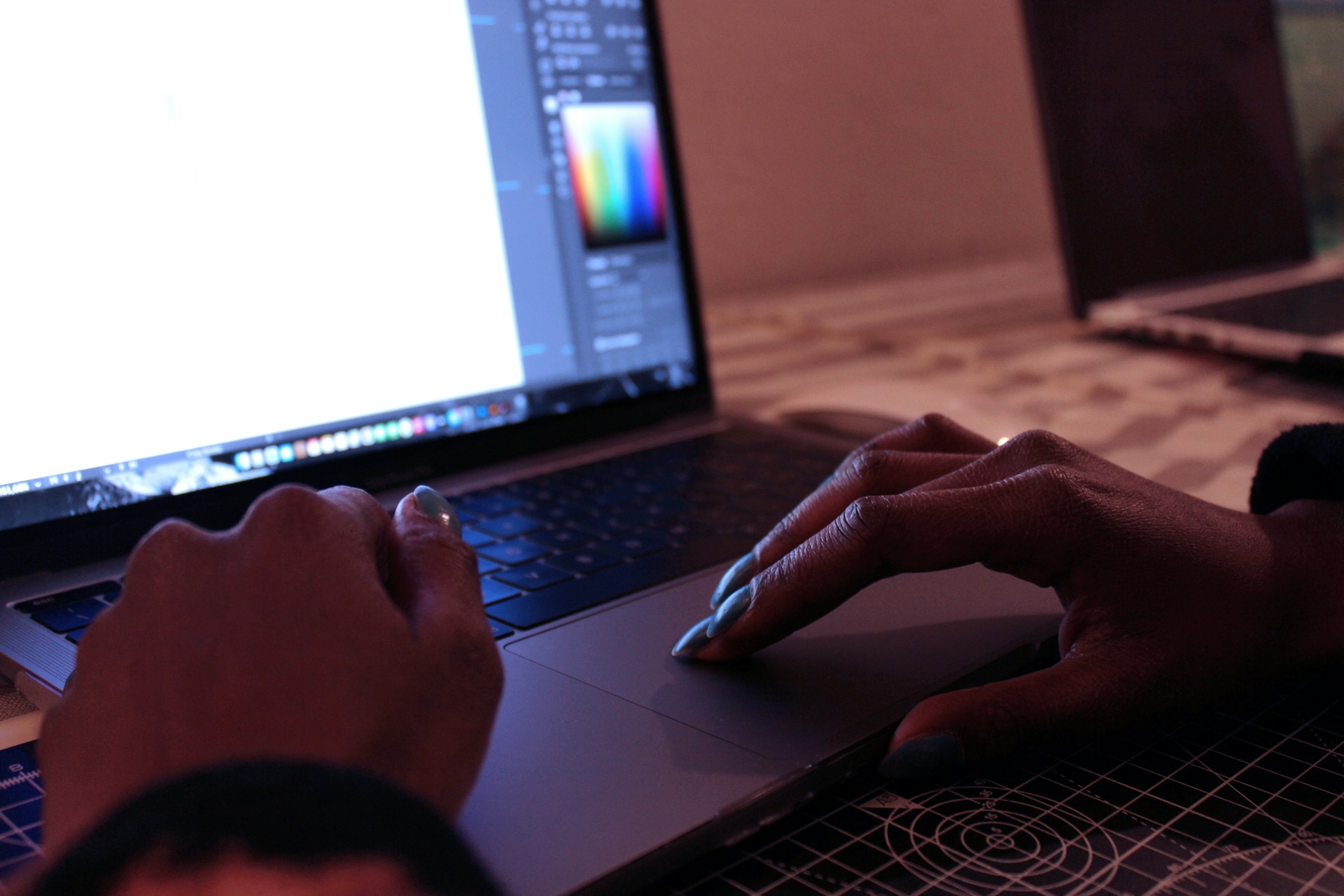
A cohesive brand identity—consistent visual language across all touchpoints—directly impacts customer perception and trust. A senior designer is responsible for maintaining this consistency. They create detailed brand guidelines, apply them rigorously to every project, and protect the brand from dilution through careless design choices. Senior graphic designers are also responsible for developing brand assets, campaign visuals, and presentation templates. Over time, this consistency makes your brand more recognizable and memorable. Key responsibilities include developing high-impact visuals, guiding others on layout and style, and presenting ideas to stakeholders.
Elevating Project Quality
Senior designers don’t just complete projects; they elevate them. They bring refined aesthetic judgment, attention to detail, and a commitment to excellence to every piece. From the way a typeface curves to the strategic use of whitespace, every decision reflects intentional thinking. Senior graphic designers are responsible for the creative output of major projects, ensuring high standards and creative excellence. This level of polish signals quality to your audience and enhances your professional image.
Managing Complex Projects
Not all design projects are straightforward. Some require coordinating multiple deliverables, working with diverse stakeholders, balancing competing priorities, or navigating complex feedback cycles. Senior designers excel at managing this complexity. Senior graphic designers lead major design projects, working closely with stakeholders to deliver creative excellence. They break large projects into manageable phases, anticipate issues, incorporate feedback constructively, and keep projects on track.
Strategic Problem-Solving
When design challenges emerge, senior designers draw on years of experience to develop strategic solutions. They understand how design affects user behavior, conversion rates, and brand perception. This strategic perspective makes them invaluable in situations where “quick design” isn’t enough—where design decisions have business implications. In addition, reviewing related resume examples can give insight into how the designer presents their experience and achievements professionally.
Key Capabilities of Senior Graphic Designers
Advanced Technical Proficiency
Senior designers are fluent with design software. They navigate Adobe Creative Suite (Photoshop for pixel-perfect editing, Illustrator for vector work, InDesign for complex layouts) with precision and intent. They also stay current with modern tools like Figma and Sketch. This technical mastery allows them to transform complex ideas into polished visual designs.
More importantly, senior designers know which tool is right for each project. They understand the strengths and limitations of different software and make deliberate choices based on project needs, not just personal preference.
Strategic Visual Solutions
As they progress in their careers, senior designers develop strategic thinking skills. They can:
- Align design decisions with business objectives
- Develop visual concepts that communicate specific messages effectively
- Use design trends strategically to enhance brand presence
- Create user-focused designs that improve experience and engagement
- Manage design from multiple angles (creative, technical, strategic, business)
Refined Aesthetic Judgment and Attention to Detail
Senior designers combine refined aesthetic sensibility with meticulous attention to detail. They make conscious, intentional decisions about every element—typeface selection, color harmony, image placement, whitespace—because they understand how these choices accumulate to create a cohesive whole. This rigor ensures that work is polished, professional, and strategically sound.
Collaboration and Communication: The Client-Facing Role

A critical but sometimes overlooked aspect of being a senior designer is the ability to collaborate effectively with clients, customers, stakeholders, and team members. Senior graphic designers partner with stakeholders and internal teams to deliver creative solutions that align with business goals. This skill set is what often distinguishes truly senior designers from talented but less experienced practitioners.
Understanding Client Needs
Senior designers excel at translating client briefs into design solutions. They ask clarifying questions, understand the client’s business context, and develop designs that serve the client’s goals—not just their own creative preferences. This client-centric approach builds trust and leads to stronger outcomes.
Managing Expectations and Feedback
Balancing client expectations with design excellence is an ongoing challenge. Senior designers handle this through:
- Clear communication. They establish realistic timelines and explain design decisions in terms the client understands.
- Structured feedback processes. They set up clear channels for feedback and manage the iteration cycle efficiently.
- Strategic prioritization. They help clients focus on core design elements and avoid scope creep or endless revisions.
- Version control. They document changes meticulously, track decisions, and ensure transparency throughout the project.
This blend of communication skill, project management discipline, and design expertise is what makes senior designers valuable partners rather than just vendors.
Time Management and Organization: Maximizing Productivity
Senior graphic designers are often tasked with managing multiple design projects simultaneously, making effective time management and organization essential for success. To maximize productivity and consistently deliver high-quality design solutions, it’s important to prioritize tasks, focus on critical deadlines, and minimize distractions throughout the workday.
Utilizing project management tools, streamlined design workflows, and communication platforms enables senior designers to collaborate efficiently with team members and stakeholders. The ability to work independently, take ownership of projects, and see them through from concept to execution is a hallmark of a successful senior designer. By honing their organizational skills and adopting best practices for time management, senior graphic designers can meet tight deadlines, deliver exceptional results, and exceed client expectations.
Adaptability and Flexibility: Thriving in a Changing Environment
The design landscape is constantly evolving, with new tools, technologies, and trends emerging at a rapid pace. Senior graphic designers must be adaptable and flexible, ready to embrace change and drive innovation within their teams. Staying open to feedback, learning new design tools, and keeping up with industry developments are essential for delivering forward-thinking design solutions that support business goals.
Adaptability also means being able to pivot quickly when project requirements shift or deadlines change, all while maintaining a keen attention to detail and high standards of quality. By fostering a mindset of continuous learning and flexibility, senior graphic designers can stay ahead of the curve, respond effectively to feedback, and contribute to the ongoing success of their company.
Evaluating Senior Graphic Designer Candidates: Tests and Questions

When hiring a senior graphic designer, assessing true seniority is critical. Here’s how to evaluate whether a candidate has the strategic thinking, technical skill, and collaborative ability you need.
1. Portfolio Review
A strong portfolio is your primary assessment tool. Look for:
Diversity of Projects. Does the portfolio showcase work across different industries, styles, and project types? Senior designers should demonstrate range—from brand identity to marketing collateral to digital design to whatever suits your needs.
Quality of Execution. Assess design quality: Is typography thoughtful? Are color choices intentional? Is the work polished? Does each piece demonstrate attention to detail?
Strategic Thinking. Can you see evidence that design decisions were made for reasons beyond aesthetics? Do the pieces communicate clearly? Do they serve a specific business purpose?
Consistency Over Time. How does the designer’s work evolve? Does quality remain consistently high, or are there concerning variations?
Key Questions to Ask During Portfolio Review:
- Walk me through your design process for this project. What was the brief, and what constraints did you face?
- Why did you make these specific visual choices? What was your thinking?
- How did you ensure this design aligned with the client’s business objectives?
- What would you do differently if you could revisit this project today?
2. Technical Skills Assessment
Senior designers should demonstrate technical proficiency across relevant tools. Consider:
Practical Design Tasks:
- Create a logo based on a provided brief, demonstrating your understanding of the requirements
- Design marketing collateral (brochure, social media graphics, email template) using specified software
- Demonstrate your workflow and show how you approach a design challenge
Software Proficiency:
Assess competency with tools relevant to your work:
- Adobe Creative Suite (Photoshop, Illustrator, InDesign)
- Modern design tools (Figma, Sketch)
- Web design tools if your needs include web/UI work
Senior designers should be comfortable with these tools and able to explain their software choices and workflow.
3. Creative Thinking and Conceptual Development
Senior designers should demonstrate the ability to think strategically about design problems. Assess through:
Concept Development Task. Provide a design brief (e.g., “Create a brand identity for a sustainable tech startup”) and ask the designer to develop a creative concept. Look for evidence of strategic thinking—How does the visual approach communicate the brand’s values? What’s the reasoning behind color, typography, and imagery choices?
Mood Board Creation. Ask the designer to create a mood board that captures the visual style and tone for a hypothetical project. This reveals their aesthetic sensibility and ability to translate abstract concepts into visual directions.
4. Problem-Solving and Real-World Scenarios
Present scenario-based questions to understand how senior designers handle real challenges:
- Client Conflict: “You’ve presented your design concept, and the client wants significant changes that you believe will weaken the design. How do you handle this?”
- Tight Deadlines: “You’re midway through a project when an urgent request comes in. How do you prioritize and ensure both projects maintain quality?”
- Design Challenge: “Tell me about a time you faced a complex design challenge. What approach did you take, and how did you solve it?”
These questions reveal problem-solving ability, communication style, and professional maturity.
5. Leadership and Mentorship (If They’ll Manage Others)
If the role includes mentoring or team leadership, assess:
- How do you approach mentoring junior designers? Look for evidence of patience, communication skill, and genuine investment in others’ growth.
- Can you describe a time you successfully led a design project or team? Listen for concrete examples showing leadership qualities.
- How do you handle disagreements or conflicts within a design team? This reveals conflict resolution ability and emotional intelligence.
6. Client Interaction and Communication Simulation
Role-playing exercises reveal how the designer works with clients in real situations:
Mock Client Meeting. Conduct a simulated client meeting where the designer presents design concepts. Observe:
- Do they explain their reasoning clearly?
- Do they listen to feedback?
- Can they defend design decisions while remaining open to input?
- Is their communication style professional and clear?
Client Feedback Scenario. Present a scenario where “the client is unhappy with the design” and assess how the designer responds:
- Do they get defensive or remain professional?
- Do they ask clarifying questions to understand the client’s concerns?
- Can they offer constructive alternatives?
- Do they propose a path forward?
Key Questions:
- How do you ensure you understand the client’s needs and objectives before beginning design work?
- How do you handle feedback you disagree with?
- Tell me about a successful client interaction from a past project. What made it successful?
Choosing Your Path: In-House, Agency, or Subscription Service
Once you’ve decided to invest in quality design expertise, you face three primary options: hiring an in-house designer, working with a traditional agency, or subscribing to an unlimited design service—or exploring graphic design packages.
Option 1: Hiring an In-House Senior Designer
What It Means. You recruit, hire, and employ a full-time designer who works exclusively for your company.
Cost Considerations:
- Salary: $60,000–$90,000+ per year (market dependent)
- Benefits, taxes, software licenses, equipment: 30–40% overhead
- Total annual cost: $78,000–$126,000+
Advantages:
- Direct availability and control
- Deep familiarity with your brand over time
- Potential for long-term cultural fit
- Flexibility in assigning work
Disadvantages:
- Hiring timeline: 6–12 weeks from job posting to start date
- Limited to one person’s skill set and capacity
- Inflexible—bottlenecks during high-volume periods
- Management overhead: recruitment, training, performance management, potential termination
- Risk of hiring someone who doesn’t work out (expensive to replace)
- Fixed costs regardless of actual workload
Option 2: Working with a Traditional Design Agency
What It Means. You hire an external agency for specific projects or ongoing retainer work. Agencies often specialize in particular services (branding, digital marketing, web design).
Cost Structure:
- Varies widely: $3,000–$10,000+ per project, or $2,000–$5,000+ per month retainer
- Project-based or hourly rates common
- Typical annual cost: $50,000–$150,000+ depending on volume
Advantages:
- Access to diverse specialists
- Project-based (no long-term employment commitment)
- Larger scope of services available
Disadvantages:
- Significantly higher cost than in-house options
- Less predictable turnaround times
- Less flexibility for ongoing, variable workload
- Quality may vary project-to-project
- Requires detailed project briefs and planning upfront
- Less integration with your team
Option 3: Unlimited Subscription Design Service
What It Means. You subscribe to a service like Passionate Agency that provides unlimited design requests with rapid turnaround, typically 1–3 working days.
Cost Structure:
- Fixed monthly fee based on service tier
- Unlimited requests—no per-project cost
- Typical range: $5,000–$12,500 per month depending on tier and capacity
How It Works:
- You submit design requests through a simple system
- A dedicated project manager coordinates your requests
- Work is delivered within 1–3 working days on average
- You can pause, upgrade, downgrade, or cancel monthly (no long-term contract)
Advantages:
- Fixed, predictable cost (no hidden fees or surprises)
- Unlimited requests—scale up or down as needs change
- Rapid turnaround (1–3 days vs. weeks with agencies)
- Access to senior-level talent screened and trained by the service
- Seamless onboarding (typically integrated within 24 hours)
- No hiring, management, or HR overhead
- Easy to scale or cancel based on business needs
- Dedicated project manager handles coordination
Disadvantages:
- Less day-to-day control than in-house staff
- Dependent on external vendor stability
- Requires clear communication of brand guidelines and project briefs
Comparison: Hiring, Agency, or Subscription
| Factor | In-House Hire | Traditional Agency | Subscription Service |
| Annual Cost | $78K–$126K+ | $50K–$150K+ | $60K–$150K (depends on tier/volume) |
| Setup/Hiring Time | 6–12 weeks | 2–4 weeks | 1 day–1 week |
| Capacity | Limited (one person) | Project-based | Unlimited requests |
| Turnaround Time | Variable (weeks typical) | 2–8 weeks typical | 1–3 working days average |
| Quality Consistency | Dependent on individual | Varies by project | Standardized (senior talent + QC) |
| Management Overhead | High | Medium | Low (dedicated PM) |
| Flexibility | Low (hiring delays, fixed cost) | Medium | High (scale monthly) |
| Specializations | Limited (one person) | Multiple specialists | Multiple specialists available |
| Commitment | Long-term (employment) | Project-based or contract | Month-to-month |
| Scalability | Difficult/expensive | Moderate | Instant |
Introducing Passionate Agency—Passionates
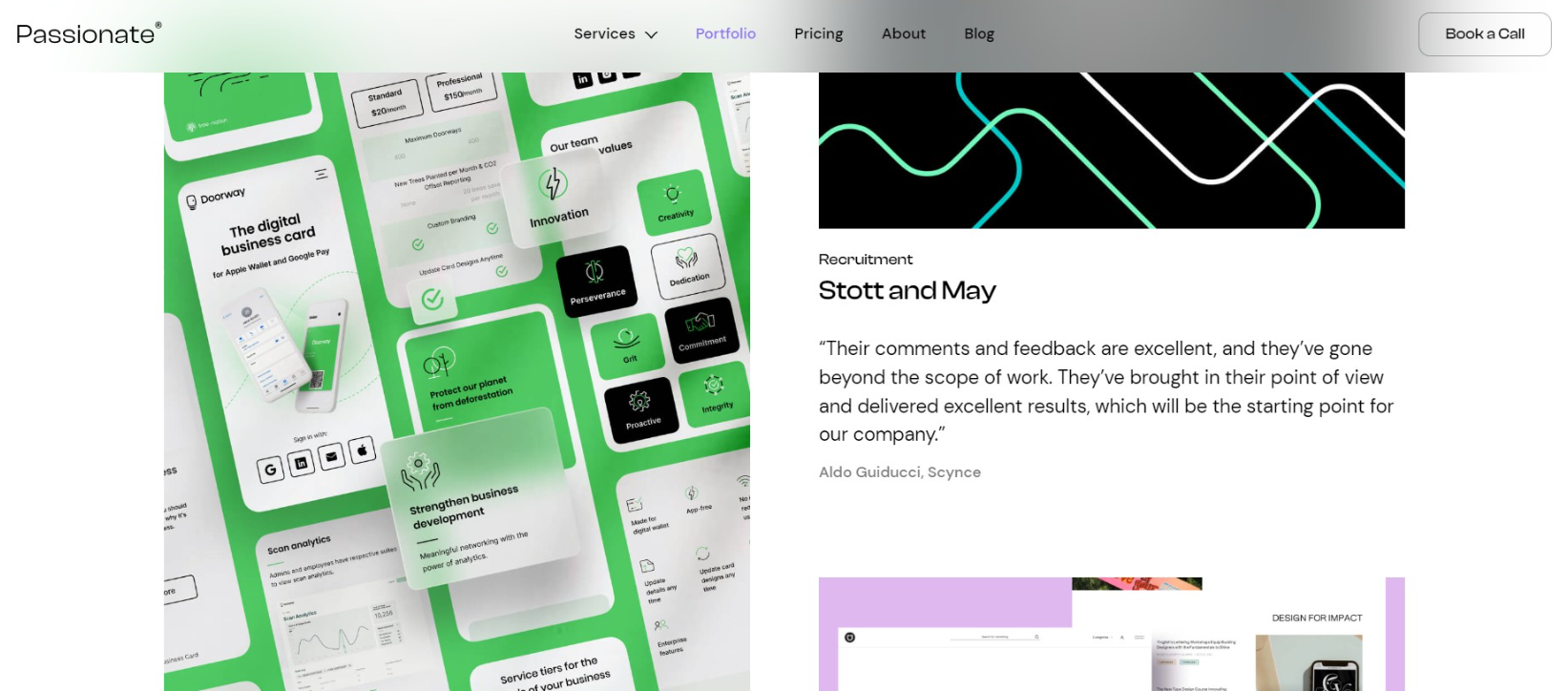
For companies seeking senior-level design expertise with flexibility and rapid turnaround, Passionate Agency (Passionates) offers a modern alternative to traditional hiring or agencies.
How It Works
Passionate Agency provides unlimited access to senior designers and creative specialists through a subscription model. You receive a dedicated project manager who coordinates all your requests and integrates seamlessly with your workflow. Submit unlimited design requests each month, and work is delivered within 1–3 working days on average.
The service is built on three progressive subscription tiers, each expanding the types of specialists available:
Grow Tier ($8,000/month full-time or $5,000/month part-time): Access to senior designers for graphic design, branding, website design, UI/UX design, motion graphics, video production, 3D/AR/WebXR development, and WordPress/Webflow website development.
Optimize Tier ($10,000/month full-time or $6,000/month part-time): Includes all Grow capabilities plus UX researchers, CRO specialists, and conversion optimization analysts for A/B testing, data analysis, and conversion recommendations.
Innovate Tier ($12,500/month full-time or $7,250/month part-time): Includes all Optimize capabilities plus AI engineers and automation specialists for implementing AI solutions, chatbots, marketing automation, and system integration.
For smaller or occasional needs, hourly packages are available at $199/hour in 1–10 hour monthly blocks. All plans are available on monthly or annual (10% discount) subscriptions with no cancellation penalties.
Why This Model Works
Predictable Cost. Monthly fees are fixed and transparent. No surprise invoices or hourly overages—you know exactly what you’ll spend on design each month.
Unlimited Capacity. Unlike hiring, there’s no bottleneck. You can submit unlimited design requests, and the service queues and delivers them one at a time. If you need two simultaneous projects, you can stack resources by subscribing to multiple tiers.
Speed. Average 1–3 working day turnaround means your marketing campaigns, product updates, and communications don’t wait for design. This speed is a competitive advantage in fast-moving markets.
Quality Consistency. Passionate Agency uses senior talent (top 0.5% of professionals with 5+ years experience) and maintains quality control standards. You’re not dependent on a single designer’s capability.
No Management Overhead. No recruitment, training, supervision, or performance management. A dedicated project manager handles resource coordination and delivery.
Flexibility. Your design needs will change as your business evolves. Subscription services allow you to adjust up or down each month, pause during slower periods, or cancel entirely without penalty.
Onboarding Speed. Integration happens within 24 hours, so you can start submitting requests immediately—far faster than hiring, which typically takes 6–12 weeks.
Comparison: In-House Hiring vs. Passionate Agency
Scenario 1: Growing Startup with $75K Annual Design Budget
Option A (In-House Hire): Hire one mid-level designer at $60K/year + 35% overhead = ~$81K/year. The startup gains capacity but faces a 6–12 week hiring delay and creates management overhead. One designer’s capacity will be fully consumed within weeks.
Option B (Passionate Agency): Subscribe to the Grow tier ($8K/month = $96K/year). Slightly over budget, but provides unlimited requests, rapid turnaround, and access to multiple specialists. No hiring delay, no management overhead. If budget is tight, use the part-time option ($5K/month = $60K/year).
Scenario 2: B2B SaaS Company with 6-Month Rebranding Project
Option A (In-House Hire): Recruit and hire a senior designer for a short-term need. Hiring takes 8 weeks, leaving 4 months of actual project work. Total cost: $15K+ (recruiting/interview time, onboarding) + salary = $30K+. At the end, you face either retaining an employee you don’t need or managing a difficult termination.
Option B (Passionate Agency): Subscribe to Grow for 6 months ($8K/month = $48K). Work begins within 24 hours. Project finishes on time. At project end, simply cancel the subscription—no termination costs, no ongoing employment obligations.
Summary
Senior graphic designers bring strategic thinking, technical expertise, brand consistency, and project leadership that elevates design quality and business outcomes. Whether you’re looking to hire a full-time designer, work with an agency, or access design expertise through a subscription service, the key is identifying professionals who combine creative excellence with strategic business thinking.
When evaluating senior designers or design services, use the assessment criteria outlined in this article: portfolio quality, technical proficiency, creative thinking, problem-solving ability, and communication skills. These indicators will help you identify candidates or services that deliver genuine senior-level capability.
For companies seeking rapid execution without the overhead of hiring, Passionate Agency’s subscription model offers senior-level expertise, unlimited capacity, and predictable cost. For companies committed to building an in-house design capability, the hiring path provides long-term value and direct control.
Regardless of your choice, investing in quality design expertise is investing in how your brand is perceived, how quickly you execute strategy, and ultimately, how successfully you compete in your market.

