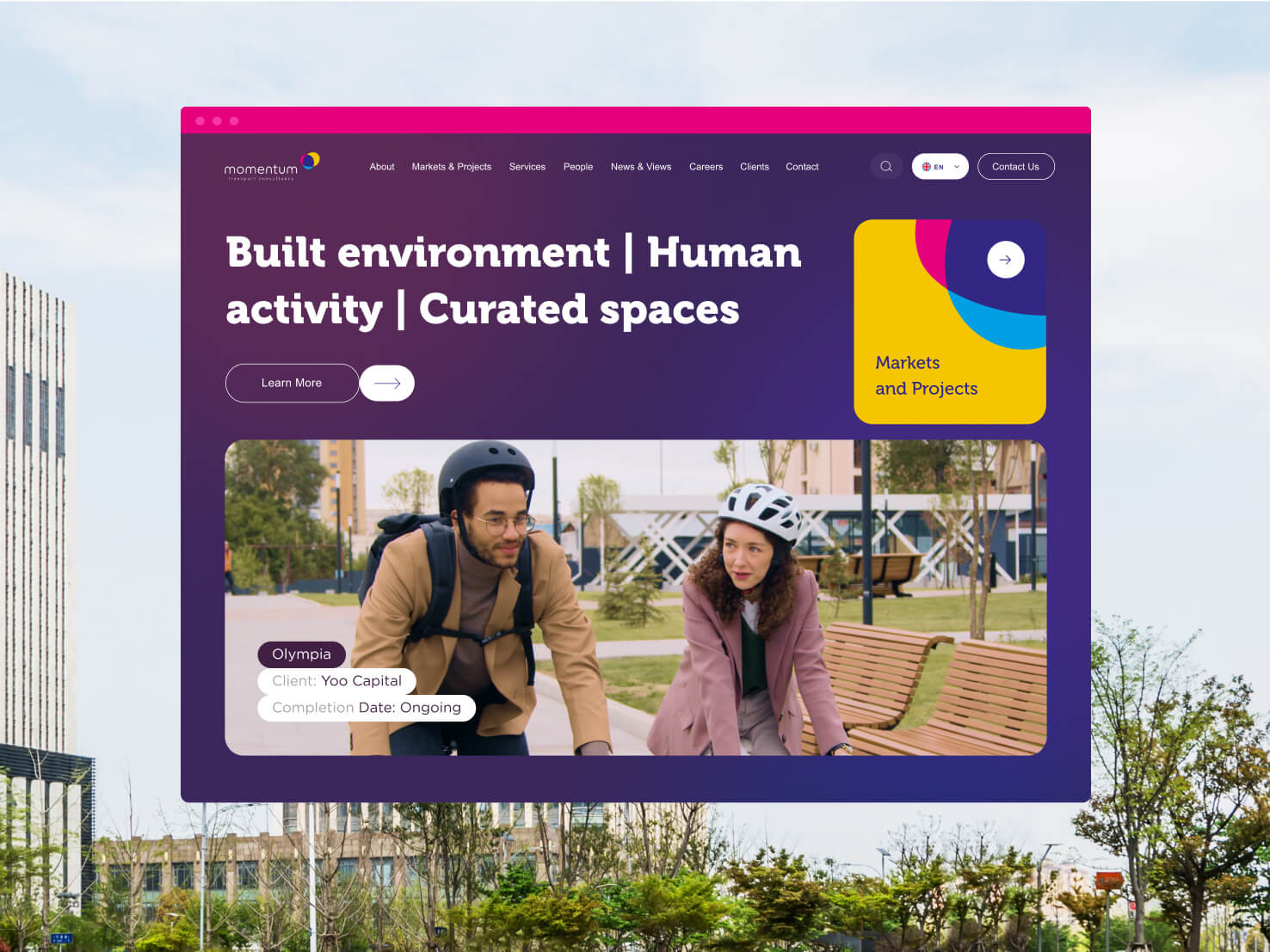
Why Responsive Web Design London Matters More Than Ever in 2024
In London’s fiercely competitive digital landscape, businesses can no longer afford websites that fail to adapt seamlessly across devices. With mobile traffic accounting for over 60% of web browsing globally, responsive web design has evolved from a nice-to-have feature to an absolute business necessity. For London-based companies seeking to capture market share, drive conversions, and establish credible digital presences, understanding and implementing responsive web design principles has become critical to sustainable growth.
The stakes have never been higher. Google’s mobile-first indexing means search rankings depend heavily on mobile performance, while user expectations for seamless cross-device experiences continue to rise. London businesses that fail to prioritize responsive web design risk losing potential customers to competitors who deliver superior mobile experiences. This comprehensive guide explores everything decision-makers need to know about responsive web design in London’s unique market context.
Understanding Responsive Web Design: Beyond Basic Mobile Compatibility
Responsive web design represents a fundamental shift in how websites are conceived, designed, and developed. Rather than creating separate mobile and desktop versions, responsive design uses flexible grid systems, scalable images, and CSS media queries to ensure optimal viewing experiences across all devices and screen sizes.
The core principles of effective responsive web design include:
- Fluid Grid Systems: Layouts that adapt proportionally to screen dimensions rather than fixed pixel measurements
- Flexible Media: Images and videos that scale appropriately without breaking layout integrity
- CSS Media Queries: Code that applies different styling rules based on device characteristics
- Progressive Enhancement: Building core functionality first, then adding advanced features for capable devices
- Touch-Friendly Navigation: Interface elements optimized for finger navigation on mobile devices
For London businesses, responsive web design goes beyond technical implementation—it’s about creating digital experiences that reflect the sophistication and professionalism expected in one of the world’s leading business hubs. Companies operating in London’s competitive markets need websites that not only function flawlessly across devices but also maintain brand consistency and conversion effectiveness regardless of how users access them.
The London Market Context: Why Standard Approaches Fall Short
London’s diverse business ecosystem presents unique challenges for responsive web design implementation. From fintech startups in Shoreditch to established financial institutions in the City, each sector demands different approaches to mobile optimization. B2B software companies require complex product demonstrations that must work seamlessly on tablets, while e-commerce businesses need streamlined checkout processes that convert effectively on smartphones.
Chief Marketing Officers at mid-sized London tech companies often struggle with maintaining brand differentiation while ensuring technical excellence across devices. The challenge isn’t just creating responsive layouts—it’s developing comprehensive digital strategies that leverage responsive design to drive measurable business outcomes. This requires understanding how different user segments interact with websites across various devices and optimizing accordingly.
Critical Components of Effective Responsive Web Design London Implementation
Performance Optimization for Multi-Device Success
London’s fast-paced business environment demands websites that load quickly across all devices. Responsive web design London implementations must prioritize performance optimization to meet user expectations and search engine requirements. Key performance considerations include:
- Image Optimization: Implementing responsive images that serve appropriate file sizes based on device capabilities
- Code Efficiency: Minimizing CSS and JavaScript to reduce load times across slower mobile connections
- Caching Strategies: Leveraging browser and server caching to improve repeat visit performance
- Content Delivery Networks: Using CDNs to ensure fast content delivery across London and globally
- Progressive Loading: Prioritizing critical content while loading secondary elements asynchronously
UX Directors at growing e-commerce companies understand that even millisecond improvements in load times can significantly impact conversion rates. Responsive web design London projects must balance visual appeal with technical performance, ensuring that sophisticated designs don’t compromise user experience on any device.
Navigation and User Experience Across Devices
Effective responsive web design requires rethinking navigation patterns for different screen sizes and interaction methods. London businesses need navigation systems that work intuitively whether users are browsing on desktop computers in office environments or smartphones during commutes.
Critical navigation considerations include:
- Hamburger Menus: Implementing collapsible navigation that doesn’t sacrifice discoverability
- Touch Targets: Ensuring buttons and links are appropriately sized for finger navigation
- Breadcrumbs: Providing clear navigation paths that work effectively on smaller screens
- Search Functionality: Making search prominent and functional across all device types
- Call-to-Action Placement: Positioning conversion elements where they’re most effective on each device type
Startup founders launching B2B SaaS products face particular challenges in presenting complex feature sets through responsive interfaces. The navigation must accommodate detailed product information while remaining accessible to users evaluating solutions on various devices throughout their decision-making process.
Responsive Web Design London: Industry-Specific Considerations
Financial Services and Fintech Applications
London’s position as a global financial center means many responsive web design projects involve complex regulatory and security requirements. Financial services websites must deliver seamless experiences across devices while maintaining the highest security standards and compliance with regulations like GDPR and PCI DSS.
Digital Transformation Directors at established financial institutions often struggle with modernizing legacy systems while implementing responsive design principles. The challenge involves creating customer-facing interfaces that work flawlessly on mobile devices while integrating with existing backend systems and maintaining regulatory compliance.
Key considerations for financial services responsive design include:
- Security Integration: Implementing responsive designs that don’t compromise security protocols
- Complex Data Visualization: Making charts and financial data readable across screen sizes
- Multi-Step Processes: Optimizing application flows for mobile completion
- Accessibility Compliance: Ensuring responsive designs meet accessibility standards
- Trust Indicators: Maintaining credibility signals across all device types
E-commerce and Retail Optimization
London’s thriving e-commerce sector demands responsive web design that directly impacts revenue generation. E-commerce managers understand that mobile commerce now represents the majority of online transactions, making responsive design optimization critical for business success.
Effective e-commerce responsive design addresses:
- Product Browsing: Creating intuitive product discovery experiences across devices
- Checkout Optimization: Streamlining purchase processes for mobile completion
- Payment Integration: Ensuring payment methods work seamlessly across devices
- Customer Account Management: Making account functions accessible on all screen sizes
- Search and Filtering: Implementing powerful search capabilities that work on mobile interfaces
The challenge for e-commerce responsive design extends beyond basic functionality—it requires creating experiences that actively encourage mobile purchases while maintaining the detailed product information customers need to make informed decisions.
Technical Implementation Strategies for Responsive Web Design London Projects
Framework Selection and Development Approaches
Successful responsive web design London implementations require careful consideration of technical frameworks and development methodologies. The choice between custom development, framework-based approaches, or hybrid solutions significantly impacts project outcomes, maintenance requirements, and long-term scalability.
Popular frameworks for responsive development include:
- Bootstrap: Comprehensive framework offering rapid development capabilities
- Foundation: Flexible framework with advanced responsive features
- Tailwind CSS: Utility-first approach enabling custom responsive designs
- Custom CSS Grid and Flexbox: Native CSS solutions for maximum control
- Component-Based Systems: React, Vue, or Angular implementations for complex applications
Product Managers at Series B SaaS companies often face decisions about technical approaches that will support rapid feature development while maintaining responsive design quality. The framework choice must accommodate agile development cycles while ensuring consistent user experiences across devices.
Testing and Quality Assurance Methodologies
Comprehensive testing represents a critical component of responsive web design London projects. Given the diversity of devices, browsers, and screen sizes in use, systematic testing approaches ensure consistent experiences across all user scenarios.
Essential testing strategies include:
- Device Testing: Physical testing on actual devices representing target user segments
- Browser Compatibility: Ensuring consistent functionality across major browsers and versions
- Performance Testing: Validating load times and responsiveness across different network conditions
- Usability Testing: Gathering user feedback on responsive interface effectiveness
- Automated Testing: Implementing continuous testing processes for ongoing quality assurance
Growth Marketing Directors running multiple experiments simultaneously need responsive designs that maintain consistency across A/B test variations while supporting rapid iteration cycles. Testing methodologies must accommodate frequent changes without compromising user experience quality.
Conversion Optimization Through Responsive Design
Data-Driven Design Decisions
Effective responsive web design London implementations leverage analytics data to optimize conversion rates across different devices and user segments. Understanding how users interact with responsive interfaces enables continuous improvement and measurable business impact.
Key metrics for responsive design optimization include:
- Device-Specific Conversion Rates: Comparing performance across desktop, tablet, and mobile
- User Journey Analysis: Understanding how responsive design affects user flow completion
- Engagement Metrics: Measuring time on page, bounce rates, and interaction patterns
- Form Completion Rates: Optimizing form design for mobile completion
- Page Load Impact: Correlating performance with conversion outcomes
The challenge for London businesses lies in translating responsive design analytics into actionable optimization strategies. This requires combining technical implementation expertise with deep understanding of user behavior patterns and business objectives.
A/B Testing Responsive Design Elements
Systematic testing of responsive design elements enables continuous optimization and measurable improvement in business outcomes. London companies implementing responsive web design must establish testing frameworks that accommodate the complexity of multi-device optimization.
Effective testing approaches include:
- Layout Variations: Testing different responsive layout approaches for optimal conversion
- Navigation Patterns: Comparing mobile navigation styles for usability and conversion
- Content Prioritization: Testing how content hierarchy affects mobile user engagement
- Call-to-Action Optimization: Optimizing button placement and design across devices
- Form Design Testing: Improving form completion rates through responsive design optimization
Common Responsive Web Design London Challenges and Solutions
Legacy System Integration
Many London businesses face challenges integrating responsive design principles with existing systems and processes. Legacy content management systems, e-commerce platforms, and custom applications often require significant modifications to support truly responsive experiences.
Common integration challenges include:
- Database Limitations: Existing data structures that don’t support responsive content delivery
- Third-Party Integrations: External services that don’t provide responsive-friendly interfaces
- Content Management: CMS platforms requiring updates to support responsive workflows
- Performance Constraints: Legacy systems that impact responsive site performance
- Security Considerations: Maintaining security standards while implementing responsive features
Successful responsive web design London projects address these challenges through phased implementation approaches that minimize disruption while delivering measurable improvements in user experience and business outcomes.
Content Strategy for Multi-Device Experiences
Responsive design requires rethinking content strategy to ensure effective communication across all device types. London businesses must develop content approaches that work effectively whether users are reading on large desktop screens or small mobile displays.
Key content considerations include:
- Content Hierarchy: Prioritizing information based on device capabilities and user context
- Readability Optimization: Ensuring text remains readable across all screen sizes
- Image Strategy: Developing visual content that works effectively at multiple resolutions
- Interactive Elements: Creating engaging content that functions across input methods
- Progressive Disclosure: Revealing information appropriately based on screen real estate
The Business Case for Professional Responsive Web Design London Services
ROI Considerations and Measurement
Investing in professional responsive web design London services delivers measurable returns through improved user engagement, higher conversion rates, and enhanced search engine visibility. However, calculating ROI requires understanding both direct and indirect benefits of responsive implementation.
Direct ROI factors include:
- Conversion Rate Improvements: Increased sales and lead generation across devices
- Reduced Bounce Rates: Better user engagement leading to improved business outcomes
- Search Engine Rankings: Enhanced visibility driving organic traffic growth
- Maintenance Efficiency: Reduced costs from managing single responsive sites versus multiple versions
- Customer Satisfaction: Improved user experiences leading to higher customer lifetime value
For London businesses evaluating responsive design investments, the key lies in establishing baseline metrics and tracking improvements across all relevant business indicators. This data-driven approach enables continuous optimization and justification of ongoing investment in responsive design excellence.
Choosing the Right Implementation Partner
Selecting appropriate partners for responsive web design London projects significantly impacts outcomes, timelines, and long-term success. The complexity of modern responsive design requires expertise across multiple disciplines, from visual design and user experience to technical development and conversion optimization.
Critical partner selection criteria include:
- Technical Expertise: Proven experience with modern responsive design frameworks and methodologies
- Industry Knowledge: Understanding of London market requirements and sector-specific challenges
- Portfolio Quality: Demonstrated success with similar responsive design projects
- Testing Capabilities: Comprehensive quality assurance and optimization processes
- Ongoing Support: Maintenance and optimization services for long-term success
The traditional agency model often struggles with the iterative nature of responsive design optimization. London businesses increasingly seek partners who can provide ongoing support, rapid iteration capabilities, and comprehensive expertise across design, development, and optimization disciplines.
Subscription-based service models offer particular advantages for responsive design projects, providing access to senior specialists across multiple disciplines while maintaining predictable costs and rapid delivery timelines. This approach enables continuous optimization and improvement rather than one-time implementations that quickly become outdated.
Future-Proofing Responsive Web Design London Strategies
Emerging Technologies and Responsive Design
The responsive web design landscape continues evolving with new technologies, devices, and user interaction patterns. London businesses must consider future developments when implementing responsive design strategies to ensure long-term effectiveness and avoid costly redesigns.
Key emerging trends include:
- AI-Powered Personalization: Dynamic content adaptation based on user behavior and device capabilities
- Voice Interface Integration: Responsive designs that accommodate voice interaction patterns
- Augmented Reality Features: AR capabilities that work seamlessly across device types
- Progressive Web Apps: App-like experiences delivered through responsive web technologies
- Advanced Animation: Sophisticated motion design that enhances responsive user experiences
Successful responsive web design London implementations anticipate these developments while focusing on current user needs and business objectives. The key lies in building flexible foundations that can evolve with changing technologies and user expectations.
Continuous Optimization and Improvement
Responsive web design represents an ongoing process rather than a one-time implementation. London businesses achieving the greatest success with responsive design establish systematic approaches to continuous testing, optimization, and improvement.
Effective optimization strategies include:
- Regular Performance Audits: Systematic evaluation of responsive design effectiveness
- User Feedback Integration: Incorporating user insights into responsive design improvements
- Analytics-Driven Optimization: Using data to guide responsive design enhancement decisions
- Technology Updates: Keeping responsive implementations current with evolving best practices
- Competitive Analysis: Learning from responsive design innovations in the London market
The most successful responsive web design London implementations combine strategic planning with tactical execution, ensuring that responsive design efforts contribute directly to business growth and competitive advantage. This requires ongoing commitment to optimization and willingness to adapt responsive strategies based on performance data and changing market conditions.
For London businesses serious about responsive web design success, the path forward involves selecting implementation partners who understand both the technical complexities and business imperatives of responsive design. The goal isn’t just creating websites that work across devices—it’s developing comprehensive digital experiences that drive measurable business results while positioning companies for long-term success in London’s competitive marketplace.