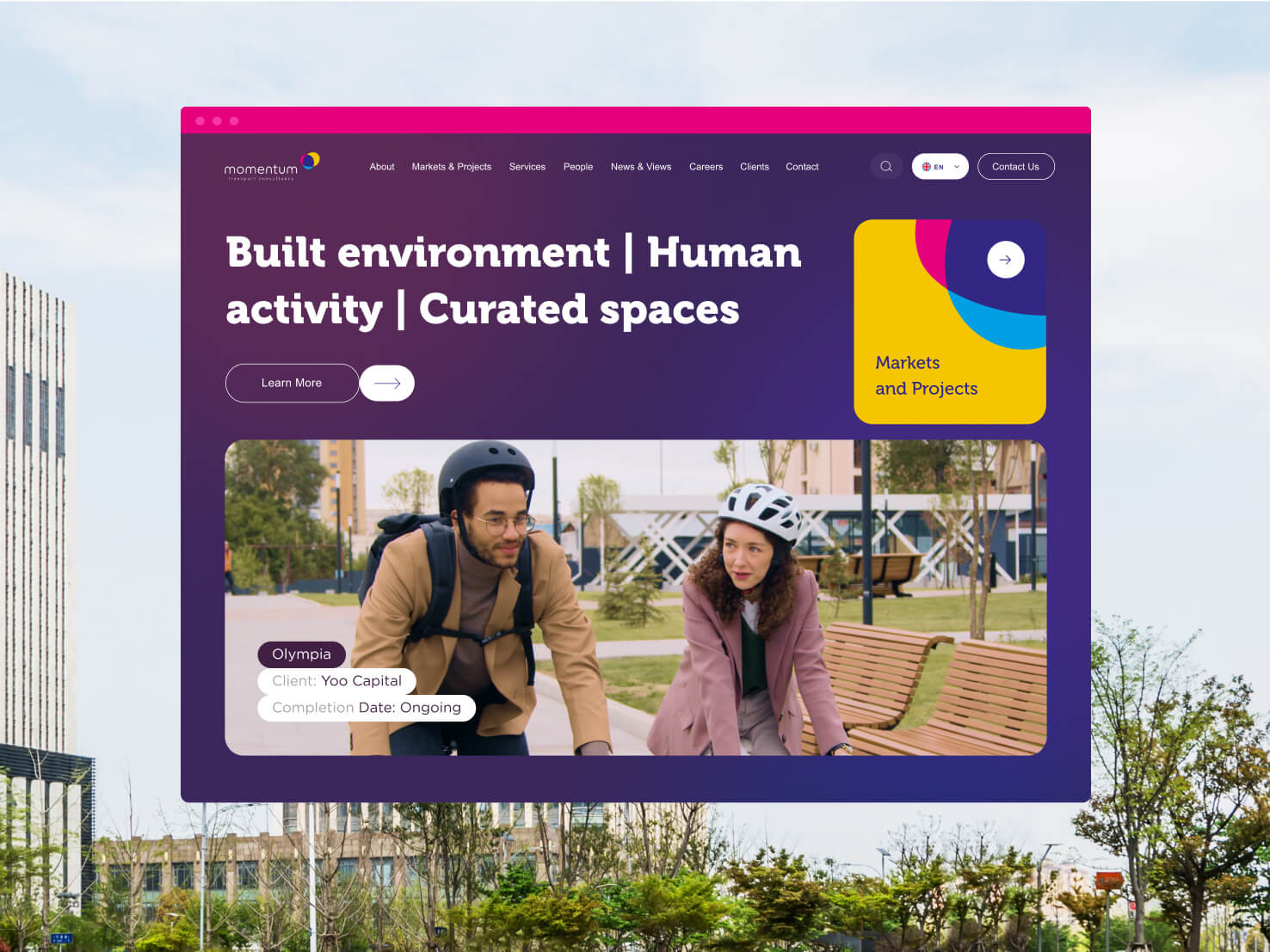
What Makes Full Service Graphic Design Essential for Modern Businesses
In today’s competitive digital landscape, businesses face unprecedented pressure to create cohesive, compelling visual experiences across every touchpoint. Full service graphic design has evolved from a nice-to-have luxury to an absolute necessity for companies seeking to differentiate themselves, drive conversions, and build lasting brand relationships. Unlike traditional design services that focus on isolated projects, full service graphic design encompasses every visual element of your brand ecosystem—from initial brand identity through web design, marketing materials, motion graphics, and beyond.
The modern business environment demands more than beautiful visuals. Chief Marketing Officers at mid-sized companies struggle with fragmented design efforts that fail to create cohesive brand experiences. UX Directors at growing e-commerce companies need design partners who understand that every visual element must contribute to conversion optimization. Startup founders require comprehensive brand identity solutions that communicate complex value propositions effectively. Digital transformation leaders need design approaches that integrate seamlessly with AI-powered personalization and automation systems.
Full service graphic design addresses these challenges by providing integrated visual solutions that align with business objectives, maintain brand consistency, and deliver measurable results across all customer touchpoints.
The Complete Scope of Full Service Graphic Design
Understanding what constitutes full service graphic design is crucial for business leaders evaluating their visual communication needs. This comprehensive approach encompasses multiple interconnected design disciplines that work together to create unified brand experiences.
Brand Identity and Visual Strategy
At its foundation, full service graphic design begins with strategic brand identity development. This includes logo design, color palette creation, typography selection, and the establishment of visual guidelines that ensure consistency across all applications. However, modern full service graphic design goes beyond static brand elements to encompass dynamic visual systems that adapt across digital and print mediums while maintaining brand integrity.
For B2B SaaS companies, this means creating visual identities that communicate trustworthiness and innovation while simplifying complex product offerings. The visual strategy must work equally well in enterprise sales presentations, website interfaces, and social media campaigns.
Digital Design and User Experience
Full service graphic design integrates seamlessly with user experience design to create websites and digital interfaces that balance aesthetic appeal with functional performance. This includes responsive web design, mobile optimization, and user interface design that prioritizes conversion optimization alongside visual impact.
E-commerce managers particularly benefit from this integrated approach, as every visual element—from product photography to checkout button design—directly impacts revenue performance. Full service graphic design ensures that aesthetic decisions support business objectives rather than competing with them.
Marketing and Communication Materials
Comprehensive design services encompass all marketing collateral, including digital advertisements, social media graphics, email templates, presentation designs, and print materials. The key advantage lies in maintaining visual consistency while optimizing each piece for its specific purpose and audience.
Growth marketing directors running multiple experiments across channels need design support that can rapidly iterate on visual concepts while maintaining brand consistency. Full service graphic design provides the flexibility to test different creative approaches without compromising overall brand coherence.
Motion Graphics and Video Content
Modern full service graphic design includes motion graphics, video production, and interactive content that engages audiences across digital platforms. This dynamic content is particularly valuable for explaining complex products or services, with animated explainer videos and interactive demonstrations proving highly effective for B2B companies.
Product managers find motion graphics invaluable for demonstrating software features and user flows, helping potential customers understand value propositions more effectively than static imagery alone.
Strategic Advantages of Full Service Graphic Design
The decision to work with full service graphic design providers offers significant strategic advantages over piecemeal design approaches or single-specialty vendors.
Brand Consistency Across All Touchpoints
One of the most significant challenges facing marketing leaders is maintaining brand consistency across diverse channels and materials. When different specialists handle various design needs—one vendor for web design, another for print materials, a third for social media graphics—visual inconsistencies inevitably emerge.
Full service graphic design eliminates these inconsistencies by ensuring all visual elements emerge from a unified strategic foundation. Every design decision, from color usage to typography choices, aligns with the overall brand strategy and reinforces key brand messages.
This consistency becomes particularly crucial for companies operating across multiple markets or customer segments. A unified visual approach helps build brand recognition and trust, regardless of where customers encounter the brand.
Integrated Design and Conversion Optimization
Traditional graphic design often prioritizes aesthetics over performance, but full service graphic design integrates conversion rate optimization principles throughout the design process. This means every visual element is evaluated not just for its aesthetic merit, but for its contribution to business objectives.
UX Directors benefit enormously from this integrated approach, as design decisions are informed by user research, analytics data, and conversion optimization best practices. The result is visual design that performs as well as it looks, driving measurable improvements in key business metrics.
This data-driven approach to design means that visual elements are continuously refined based on performance data, creating a cycle of improvement that traditional design approaches often lack.
Streamlined Project Management and Communication
Managing multiple design vendors creates significant administrative overhead and communication challenges. Different vendors have different processes, timelines, and quality standards, making project coordination complex and time-consuming.
Full service graphic design simplifies this by providing a single point of contact for all design needs. This streamlined communication reduces project management overhead while ensuring better coordination between different design elements.
For busy executives and marketing teams, this simplified workflow means more time focusing on strategy and less time managing vendor relationships and coordinating between different specialists.
Full Service Graphic Design for Different Business Contexts
The application of full service graphic design varies significantly depending on company size, industry, and growth stage. Understanding these contextual differences helps business leaders make informed decisions about their design needs.
Startup and Early-Stage Companies
Startups face unique challenges when it comes to design needs. They require professional-quality design to compete with established players, but often lack the resources for extensive design teams or multiple vendor relationships.
Full service graphic design provides startups with access to senior-level design expertise across all needed disciplines without the overhead of building internal design teams. This is particularly valuable for B2B SaaS startups that need to communicate complex value propositions clearly while establishing credibility in competitive markets.
The comprehensive nature of full service graphic design also helps startups avoid common branding mistakes that can be costly to correct later. By establishing strong visual foundations early, startups can scale their design efforts more effectively as they grow.
Scale-Up and Mid-Size Companies
Growing companies often struggle with design scalability. Their design needs expand rapidly, but building internal design teams can be expensive and time-consuming. Meanwhile, their existing design approaches may no longer meet their more sophisticated business requirements.
Full service graphic design provides the scalability these companies need, offering access to diverse design expertise that can grow with the business. This is particularly valuable for companies experiencing rapid growth, where design needs can change quickly and unpredictably.
Mid-size companies also benefit from the strategic thinking that full service graphic design providers bring. As these companies mature, they need design approaches that align with more sophisticated marketing strategies and business objectives.
Enterprise Organizations
Large organizations have complex design needs that span multiple departments, products, and markets. They require design solutions that integrate with existing systems and processes while meeting enterprise-grade security and compliance requirements.
Full service graphic design for enterprise clients must address these complexities while maintaining the agility to respond quickly to changing business needs. This often involves creating design systems that can be implemented consistently across large organizations while allowing for necessary customization.
Enterprise organizations also benefit from the strategic consultation that full service graphic design providers offer, helping them navigate complex design challenges and align visual communication with business transformation initiatives.
Technology Integration in Modern Full Service Graphic Design
Contemporary full service graphic design extends far beyond traditional design tools and techniques. Modern providers integrate advanced technologies that enhance both the design process and the final deliverables.
AI-Powered Design and Personalization
Artificial intelligence is revolutionizing graphic design, enabling dynamic content personalization and automated design optimization. Full service graphic design providers now leverage AI to create personalized visual experiences that adapt to individual user preferences and behaviors.
This technology integration is particularly valuable for e-commerce companies, where AI-powered design can automatically optimize product presentations, customize marketing messages, and personalize user interfaces based on customer data and behavior patterns.
Digital transformation leaders find AI-powered design capabilities essential for creating the intelligent, responsive customer experiences that modern businesses require.
Data-Driven Design Optimization
Modern full service graphic design incorporates sophisticated analytics and testing capabilities that enable continuous design optimization. This includes A/B testing of visual elements, heat mapping analysis, and conversion rate optimization based on real user data.
This data-driven approach transforms design from a subjective creative process into a measurable business function. Every design decision can be validated through testing, ensuring that visual changes contribute positively to business objectives.
Growth marketing directors particularly benefit from this approach, as it enables rapid experimentation and optimization across multiple channels while maintaining design quality and brand consistency.
Integration with Business Systems
Full service graphic design must integrate seamlessly with existing business systems, including content management systems, customer relationship management platforms, marketing automation tools, and e-commerce platforms.
This integration capability ensures that design deliverables can be easily implemented and maintained within existing business workflows. It also enables more sophisticated applications, such as dynamic content generation and automated design updates based on business data.
Measuring the Impact of Full Service Graphic Design
One of the key advantages of modern full service graphic design is its measurability. Unlike traditional design approaches that rely primarily on subjective evaluation, comprehensive design services now provide clear metrics and performance indicators.
Conversion Rate Improvements
The most direct measure of design effectiveness is its impact on conversion rates across various touchpoints. Full service graphic design providers track conversion improvements from website redesigns, landing page optimizations, email template updates, and other visual modifications.
These measurements go beyond simple aesthetic preferences to demonstrate real business impact. For e-commerce companies, even small improvements in conversion rates can translate to significant revenue increases.
Brand Recognition and Engagement Metrics
Comprehensive design services also impact brand recognition, customer engagement, and overall brand perception. These metrics include brand recall studies, social media engagement rates, time spent on digital properties, and customer satisfaction scores.
For companies in competitive markets, these brand-level improvements can be just as valuable as direct conversion improvements, as they contribute to long-term customer acquisition and retention.
Operational Efficiency Gains
Full service graphic design also delivers operational benefits that can be measured and quantified. These include reduced time-to-market for new campaigns, decreased revision cycles, and improved team productivity through better design systems and processes.
These efficiency gains are particularly valuable for companies with aggressive growth targets, where the speed of execution can be a significant competitive advantage.
Choosing the Right Full Service Graphic Design Partner
Selecting an appropriate full service graphic design provider requires careful consideration of multiple factors beyond basic design capabilities.
Expertise Across Required Disciplines
Effective full service graphic design requires genuine expertise across all relevant design disciplines, not just basic competency. This means working with senior-level professionals who have deep experience in their respective areas and understand how different design elements interact and support each other.
The quality difference between junior and senior design professionals is particularly pronounced in strategic design decisions that impact business performance. Senior designers understand not just how to create visually appealing designs, but how to create designs that achieve specific business objectives.
Industry Understanding and Experience
Different industries have unique design requirements, regulatory considerations, and customer expectations. Full service graphic design providers should demonstrate deep understanding of your specific industry context and relevant experience with similar companies and challenges.
For B2B software companies, this means understanding the complex sales processes, technical audiences, and compliance requirements that influence design decisions. For e-commerce companies, it means understanding conversion optimization, user experience principles, and the technical requirements of various e-commerce platforms.
Scalability and Flexibility
Business design needs change over time, and full service graphic design providers must be able to scale their services accordingly. This includes the ability to handle increased volume during busy periods, adapt to changing business priorities, and integrate new technologies and capabilities as they become relevant.
The most effective full service graphic design partnerships are those that can grow and evolve with the business, providing consistent quality and service levels regardless of changing requirements.
Integration Capabilities
Modern businesses require design services that integrate seamlessly with existing systems, processes, and teams. This includes technical integrations with business systems as well as workflow integrations with internal teams and processes.
The best full service graphic design providers offer flexible engagement models that can adapt to different organizational structures and working styles, ensuring smooth collaboration regardless of company size or complexity.
The Future of Full Service Graphic Design
Full service graphic design continues to evolve rapidly, driven by technological advances, changing customer expectations, and new business requirements.
Increased Automation and AI Integration
The future of full service graphic design will include even more sophisticated AI and automation capabilities, enabling more personalized, responsive, and efficient design solutions. This includes automated design generation, real-time optimization, and predictive design recommendations based on business data and customer behavior.
Enhanced Measurement and Analytics
Design measurement and analytics capabilities will continue to improve, providing even more detailed insights into design performance and impact. This will enable more precise optimization and better alignment between design decisions and business objectives.
Greater Integration with Business Strategy
Full service graphic design will become even more integrated with overall business strategy, with design decisions increasingly informed by business intelligence, customer data, and strategic objectives. This evolution transforms design from a support function into a core business capability that directly drives growth and competitive advantage.
For business leaders evaluating their design needs, the trend toward comprehensive, strategic, and measurable design services represents both an opportunity and a necessity. Companies that embrace full service graphic design approaches will be better positioned to create compelling customer experiences, drive business growth, and maintain competitive advantages in increasingly visual and digital markets.
The key to success lies in selecting design partners who combine creative excellence with strategic thinking, technical expertise, and deep business understanding. When implemented effectively, full service graphic design becomes a powerful driver of business success, creating visual experiences that not only look exceptional but deliver measurable results across all business objectives.