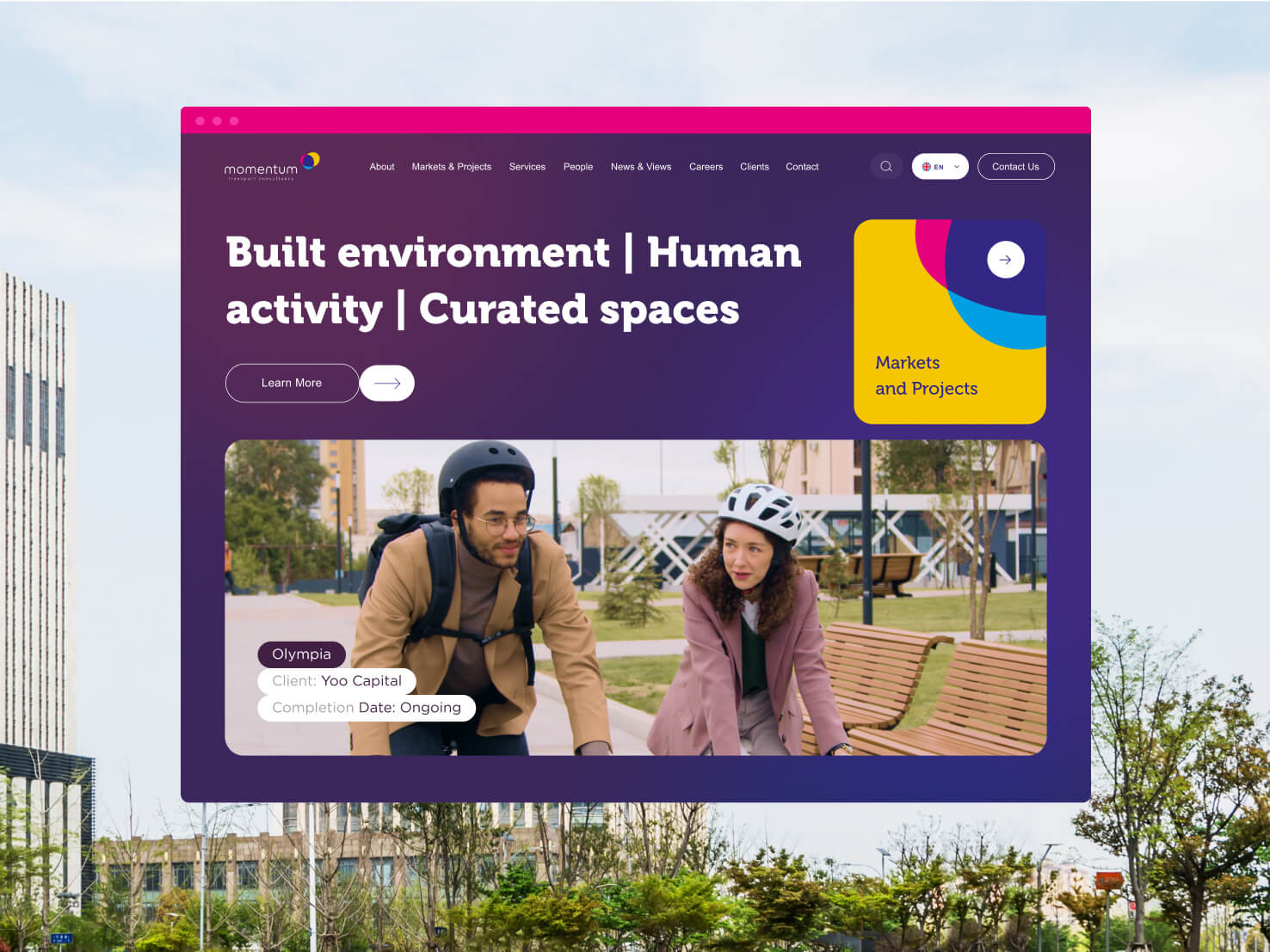
Understanding UI UX Service: The Foundation of Digital Success
In today’s competitive digital landscape, the difference between a thriving business and one that struggles often comes down to user experience. A comprehensive UI UX service has become essential for companies looking to create meaningful connections with their customers, drive conversions, and build lasting brand loyalty. Whether you’re a startup founder seeking to establish market presence or a seasoned CMO driving brand transformation, understanding the nuances of UI UX services can make or break your digital strategy.
User Interface (UI) and User Experience (UX) design work in tandem to create digital products that are not only visually appealing but also intuitive, functional, and aligned with business objectives. A professional UI UX service encompasses everything from initial user research and wireframing to final implementation and ongoing optimization, ensuring that every touchpoint in your customer journey contributes to your bottom line.
The Strategic Value of Professional UI UX Service
Modern businesses face unprecedented challenges in capturing and retaining user attention. With average attention spans decreasing and competition intensifying across all industries, the quality of your digital experience directly impacts revenue generation. A well-executed UI UX service addresses these challenges through data-driven design decisions that prioritize user needs while achieving business goals.
For marketing leaders, the connection between UX quality and conversion rates is undeniable. Research consistently shows that companies investing in comprehensive UX design see significant improvements in key performance indicators. Every element of your digital presence—from landing page layouts to checkout processes—influences whether prospects become customers and whether customers become advocates.
The complexity of modern digital ecosystems requires specialized expertise that goes beyond surface-level aesthetics. A comprehensive UI UX service involves understanding user psychology, analyzing behavioral data, conducting usability testing, and implementing iterative improvements based on real-world performance metrics.
Key Components of Effective UI UX Service
Professional UI UX services encompass multiple interconnected disciplines, each contributing to the overall user experience:
- User Research and Analysis: Understanding target audiences through qualitative and quantitative research methods
- Information Architecture: Organizing content and functionality in logical, user-friendly structures
- Wireframing and Prototyping: Creating low and high-fidelity representations of digital interfaces
- Visual Design: Developing cohesive visual systems that align with brand identity
- Interaction Design: Defining how users interact with digital elements and systems
- Usability Testing: Validating design decisions through user feedback and behavioral observation
- Conversion Rate Optimization: Continuously improving performance through data-driven iterations
Addressing Common UI UX Service Challenges
Many organizations struggle with fragmented approaches to user experience design. Without a cohesive UI UX service strategy, companies often find themselves with inconsistent brand experiences, poor conversion rates, and frustrated users who abandon their digital touchpoints for competitors.
One of the most significant challenges facing growth-stage companies is balancing aesthetic appeal with functional performance. Beautiful designs that don’t convert visitors into customers represent missed opportunities and wasted marketing investments. Similarly, highly functional interfaces that lack visual appeal may fail to build the trust and credibility necessary for business growth.
E-commerce managers frequently encounter specific challenges related to cart abandonment, product discovery, and checkout optimization. These issues require specialized expertise in e-commerce UX patterns, understanding of consumer psychology, and ability to implement solutions that work across multiple devices and platforms.
The Cost of Poor User Experience
The financial impact of inadequate UI UX service extends far beyond immediate conversion losses. Poor user experiences result in:
- Increased customer acquisition costs due to higher bounce rates
- Reduced customer lifetime value from poor retention
- Negative brand perception and reduced word-of-mouth referrals
- Increased support costs from confused or frustrated users
- Lost competitive advantage in increasingly crowded markets
For product managers, these challenges are particularly acute when launching new features or products. Without proper user validation and iterative design processes, even well-intentioned product improvements can negatively impact user adoption and satisfaction.
Modern UI UX Service Methodologies
Today’s most effective UI UX service approaches combine traditional design principles with cutting-edge technologies and methodologies. Design thinking frameworks help teams approach problems from user-centered perspectives, while agile development processes enable rapid iteration and continuous improvement.
Data-driven design has become increasingly important, with successful UI UX services incorporating analytics, heat mapping, user session recordings, and A/B testing into their standard workflows. This approach ensures that design decisions are validated by real user behavior rather than assumptions or personal preferences.
The integration of artificial intelligence and machine learning into UX design processes is creating new opportunities for personalization and optimization. Advanced UI UX service providers now offer dynamic content personalization, predictive user interface adjustments, and automated optimization based on user behavior patterns.
Mobile-First and Responsive Design Considerations
With mobile traffic accounting for the majority of web interactions, professional UI UX service must prioritize mobile experiences without compromising desktop functionality. This requires understanding the unique constraints and opportunities presented by different devices and screen sizes.
Responsive design goes beyond simple layout adjustments—it involves rethinking user flows, interaction patterns, and content priorities for different contexts of use. Effective mobile UX considers factors like touch targets, loading speeds, offline functionality, and integration with device-specific features.
Industry-Specific UI UX Service Requirements
Different industries have unique user experience requirements that demand specialized knowledge and expertise. B2B software companies face challenges around complex feature sets, lengthy sales cycles, and multiple user personas within single organizations. Their UI UX service needs often focus on reducing cognitive load, improving user onboarding, and creating interfaces that scale across different user skill levels.
Financial services companies must balance user-friendly design with stringent security requirements and regulatory compliance. Their UI UX services need to build trust and credibility while simplifying complex financial processes and ensuring accessibility across diverse user populations.
E-commerce businesses require UI UX services that understand the psychology of online purchasing, seasonal buying patterns, inventory management implications, and the importance of social proof and reviews in conversion optimization.
B2B vs B2C UX Considerations
B2B and B2C user experiences require different approaches within comprehensive UI UX service offerings:
- B2B Focus Areas: Efficiency, productivity, integration capabilities, and decision-making support
- B2C Focus Areas: Emotional engagement, brand experience, impulse purchasing, and social sharing
- Shared Priorities: Accessibility, performance, mobile optimization, and conversion optimization
Technology Integration in UI UX Service
Modern UI UX service providers must be proficient across multiple technology platforms and integration points. This includes content management systems like WordPress, Webflow, and Shopify, as well as marketing automation platforms, customer relationship management systems, and analytics tools.
The complexity of modern technology stacks means that effective UI UX service requires not just design expertise but also technical understanding of implementation constraints and possibilities. Designers must collaborate closely with developers to ensure that creative visions can be effectively translated into functional digital experiences.
API integrations, third-party service connections, and data synchronization all impact user experience design decisions. Professional UI UX services consider these technical requirements from the earliest stages of the design process, preventing costly redesigns and ensuring optimal performance.
Emerging Technologies in UX Design
Forward-thinking UI UX service providers are exploring emerging technologies that will shape the future of digital experiences:
- Voice interfaces and conversational design
- Augmented reality and virtual reality experiences
- Internet of Things (IoT) device interactions
- Artificial intelligence-powered personalization
- Blockchain-based user authentication and data ownership
Measuring UI UX Service Success
Effective measurement and optimization are crucial components of professional UI UX service. Success metrics vary depending on business objectives but typically include conversion rates, user engagement metrics, task completion rates, and customer satisfaction scores.
Advanced analytics implementations enable deeper understanding of user behavior patterns, identifying friction points and optimization opportunities that might not be apparent through surface-level metrics. Heat mapping, user session recordings, and funnel analysis provide insights that inform iterative design improvements.
A/B testing and multivariate testing allow UI UX service teams to validate design hypotheses and make data-driven optimization decisions. These testing methodologies are particularly valuable for high-traffic websites where small percentage improvements can translate into significant revenue increases.
ROI Calculation for UI UX Investments
Demonstrating return on investment for UI UX service requires tracking multiple metrics and understanding their relationships to business outcomes:
- Conversion rate improvements and their revenue impact
- Customer acquisition cost reductions through improved user flows
- Customer lifetime value increases from better user experiences
- Support cost reductions from more intuitive interfaces
- Time-to-market improvements for new products and features
Choosing the Right UI UX Service Partner
Selecting an appropriate UI UX service partner requires careful consideration of multiple factors beyond portfolio quality. The ideal partner should demonstrate deep understanding of your industry, proven experience with similar business challenges, and ability to integrate seamlessly with your existing team and processes.
For organizations requiring ongoing design support, subscription-based service models offer advantages over traditional project-based engagements. These models provide consistent access to senior-level expertise, faster turnaround times, and better alignment between agency and client success metrics.
The most effective UI UX service partnerships involve agencies that combine creative expertise with technical implementation capabilities and data analysis skills. This integrated approach eliminates coordination challenges between multiple vendors and ensures that design decisions can be rapidly implemented and optimized based on performance data.
Evaluating UI UX Service Providers
When evaluating potential UI UX service partners, consider these critical factors:
- Portfolio Relevance: Experience with similar industries, company sizes, and challenges
- Process Maturity: Structured approaches to research, design, testing, and optimization
- Technical Capabilities: Understanding of implementation constraints and opportunities
- Team Seniority: Access to experienced professionals rather than junior designers
- Integration Abilities: Seamless collaboration with your existing team and processes
- Measurement Focus: Commitment to data-driven decision making and continuous optimization
The Future of UI UX Service
The evolution of user expectations, technology capabilities, and business requirements continues to shape the future of UI UX service. Personalization at scale, powered by artificial intelligence and machine learning, is becoming table stakes for competitive digital experiences.
Voice interfaces, augmented reality, and Internet of Things devices are expanding the definition of user experience beyond traditional screen-based interactions. Professional UI UX service providers are adapting their methodologies to address these new interaction paradigms while maintaining focus on fundamental user-centered design principles.
The increasing importance of accessibility and inclusive design is driving changes in how UI UX services approach user research, interface design, and testing methodologies. These considerations are becoming integral to the design process rather than afterthoughts, reflecting both regulatory requirements and evolving social expectations.
Preparing for Tomorrow’s UX Challenges
Forward-thinking organizations are preparing for future UX challenges by:
- Building flexible design systems that can adapt to new technologies
- Investing in user research capabilities that provide deeper behavioral insights
- Developing cross-functional collaboration processes that accelerate iteration cycles
- Implementing measurement frameworks that capture both quantitative and qualitative success metrics
- Partnering with agencies that combine traditional design expertise with emerging technology capabilities
Maximizing Your UI UX Service Investment
To maximize the value of your UI UX service investment, focus on building long-term partnerships rather than one-off projects. The most successful digital experiences result from continuous iteration and optimization based on real user feedback and performance data.
Establish clear success metrics and measurement frameworks before beginning any UI UX service engagement. This ensures that all stakeholders understand what success looks like and provides objective criteria for evaluating progress and making optimization decisions.
Consider subscription-based service models that provide ongoing access to senior-level expertise without the overhead of traditional agency relationships. These models often deliver better value through faster turnaround times, deeper understanding of your business, and alignment between agency success and client success.
The complexity of modern digital experiences requires specialized expertise across multiple disciplines. By partnering with comprehensive UI UX service providers that combine design, development, optimization, and AI capabilities, organizations can create competitive advantages that drive sustainable business growth.
Whether you’re looking to establish a strong brand identity, optimize conversion rates, or implement cutting-edge AI-powered experiences, the right UI UX service partner can help you achieve your objectives while building capabilities for future success. The key is finding providers that understand both the technical and strategic aspects of user experience design, delivering solutions that work today while positioning your organization for tomorrow’s opportunities.